Berry Amendment
US-origin textile and parachute solutions for defense procurement.
 European representative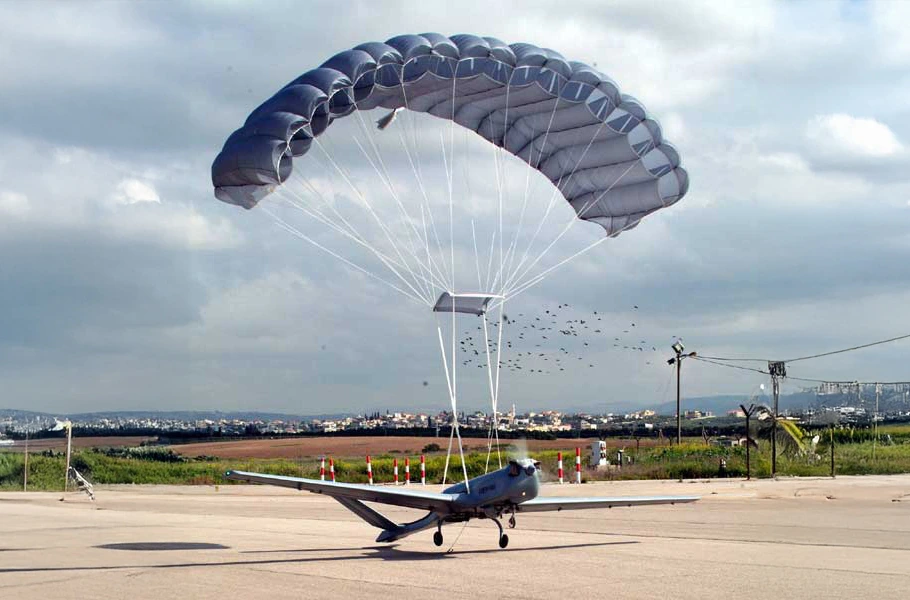
High-performance descent, recovery and protection systems for UAVs, tactical platforms and aerospace missions where the system has to work the first time.
The same recovery problem behaves differently at altitude, over water, in rough terrain or on a high-speed platform. Start with the condition that defines your mission.
APCo brings recovery-system engineering, textile know-how, testing and production into one accountable development cycle.
Mission needs, constraints, cost and timeline.
Recovery architecture, lightweight materials and analysis.
Build, test materials and assemble for validation.
Deployment sequences, ground and aerial drops, data.
Traceable serial manufacturing, QC and delivery.
Manuals, training, repairs, repacking and lifecycle support.
Use a proven architecture, combine systems or define a new one. The result is engineered around payload, deployment envelope, landing energy and mission profile.
Parachute and airbag combinations for sensitive or high-value platforms.
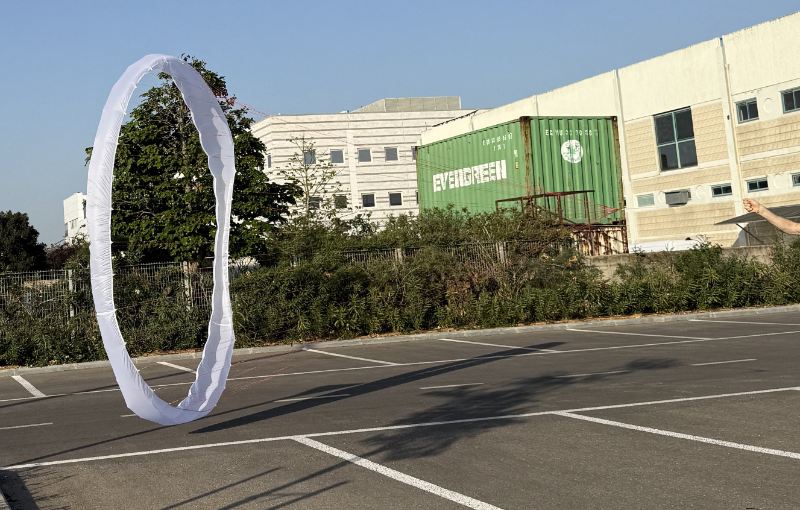
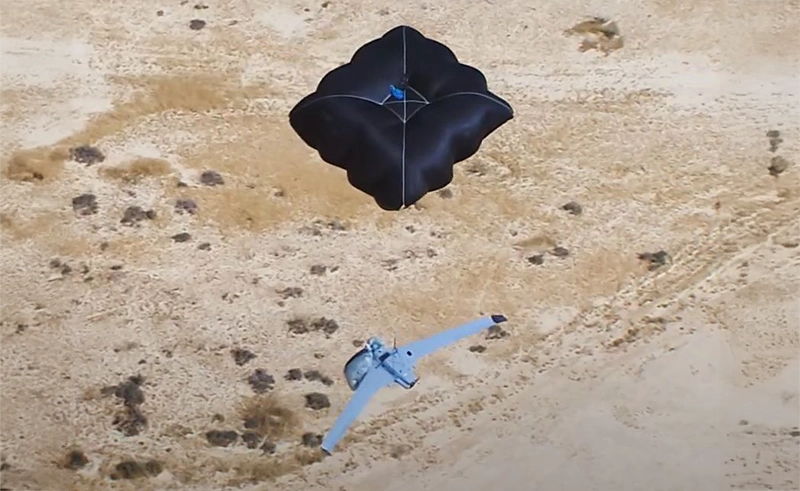
Lightweight, compact systems designed for integration where space is limited.
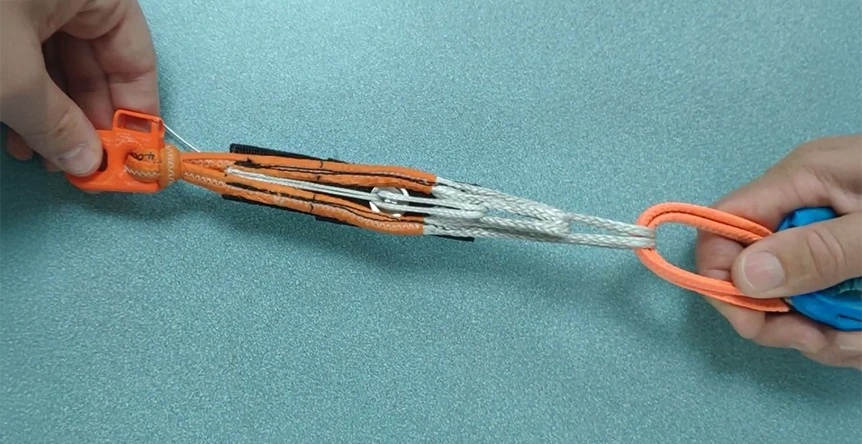
Release mechanisms separate canopy and platform at touchdown, before wind can drag the load.
The full film shows deployment, descent and recovery in context. It loads only on click — until then no connection to YouTube is made.
Dual-use export, end-use controls and quality expectations are part of the program context. We surface them early so technical progress can translate into deliverable hardware.
US-origin textile and parachute solutions for defense procurement.
Dual-use export classification and delivery support.
Materials, sourcing, cybersecurity and US-contract readiness.
Quality systems aligned with aerospace and military requirements.
Experience with controlled defense articles and dual-use goods.
Secure handling of sensitive project data.
Industrial participation and international contract support.
Cross-border logistics and import/export clearance.
From small tactical UAVs through fixed-wing and VTOL platforms to helicopter systems, cargo delivery and high-altitude parachute platforms such as HALO and HAHO. What decides it is the mission profile, payload and deployment conditions rather than the platform category alone. Two aircraft of equal weight can need different systems.
Yes. Recovery systems are matched to the platform, not the other way round. Available architectures include steerable ram-air canopies, square, cruciform and round canopies, airbags and ballistic deployment systems, singly or combined. Which one carries depends on payload, deployment envelope, permissible impact energy and the space available inside the aircraft.
Through testing, not assurances. That covers deployment sequences, ground and air drops, analysis of the recorded data and performance assessment, embedded in aerospace and military quality processes. The evidence is documented and can be mapped item by item to procurement requirements, rather than appearing only as a summary result.
From mini drones of roughly one kilogram up to UAV and cargo payloads above 1,000 kilograms. Weight alone does not settle it: only together with deployment speed, permissible sink rate and operating environment does it become clear which system carries. Suitability is therefore defined for the specific mission.