
Deceleration parachutes
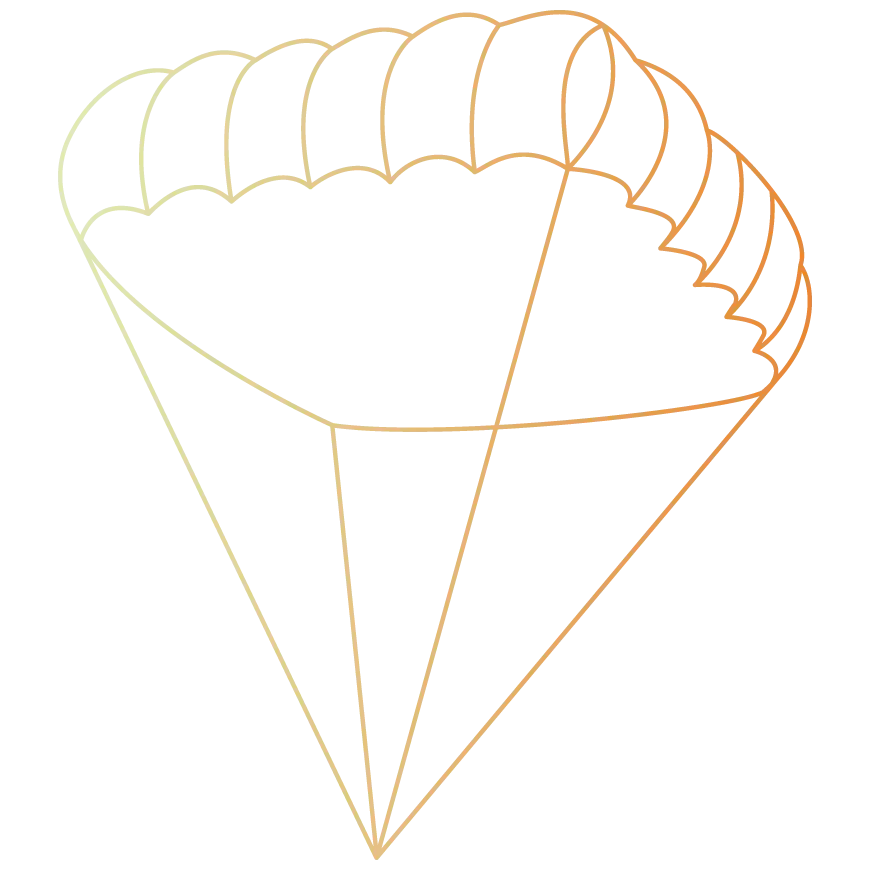
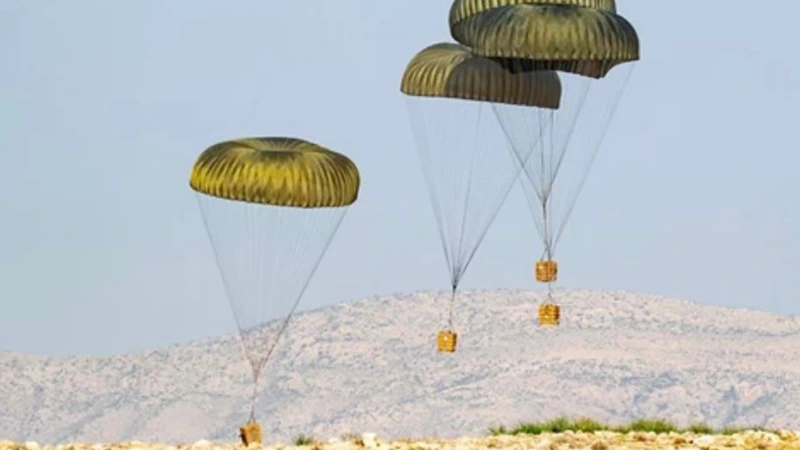
Deceleration parachutes slow a payload from high-speed descent to a stable, controlled sink rate until it reaches the ground.
What the system does
In defence, aerospace and UAV recovery applications, deceleration parachutes are critical for safely delivering cargo, munitions and equipment under a wide range of operational conditions.
Unlike steerable or ram-air parachutes, deceleration parachutes are considered non-maneuverable systems: they have no directional control. Their job is to deploy quickly, stabilise the payload and descend steadily while drifting with the surrounding air mass. For cargo, munitions and equipment across a wide range of operating conditions, that is exactly the right characteristic.
Deployment methods
How the canopy reaches the airstream determines opening behaviour and opening shock. Depending on mission requirements, three routes are common:
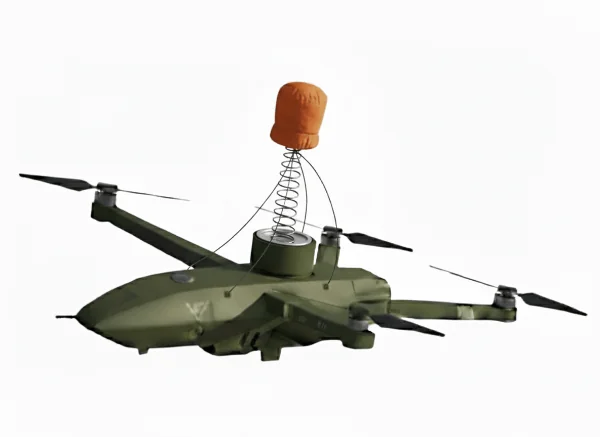
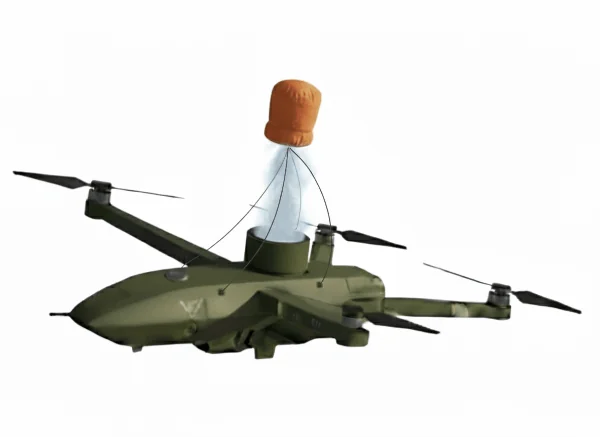
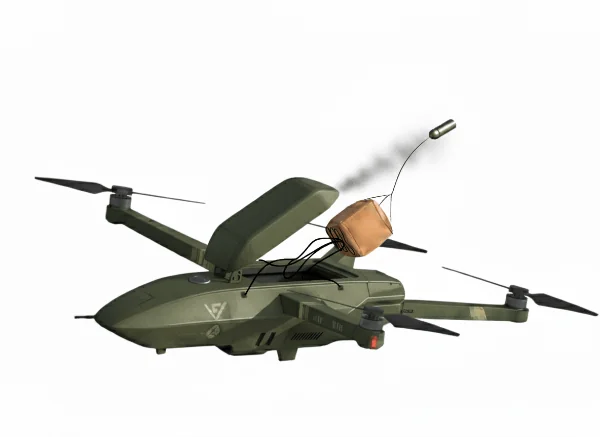
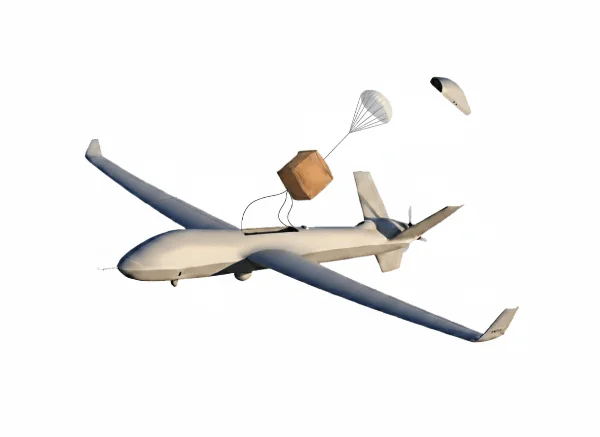
Active deployment comes in pyrotechnic, spring-loaded and pneumatic variants. In assisted deployment, either a slug or a pilot chute extracts the deployment bag from the compartment.
- Passive: the parachute is released into the airstream and inflates under its own weight as it leaves the deployment bag.
- Active: the canopy is extracted mechanically — ballistic mortar, spring-loaded or pneumatic ejection.
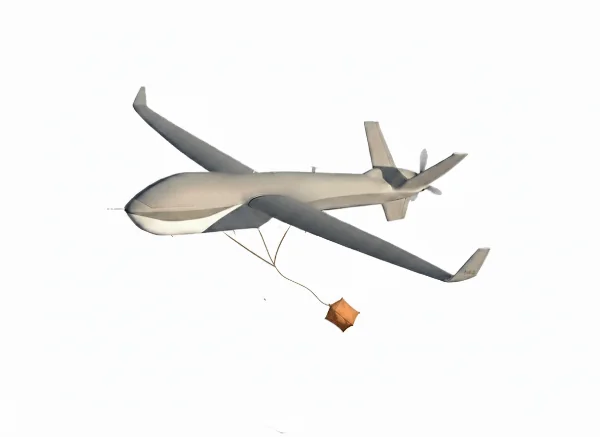
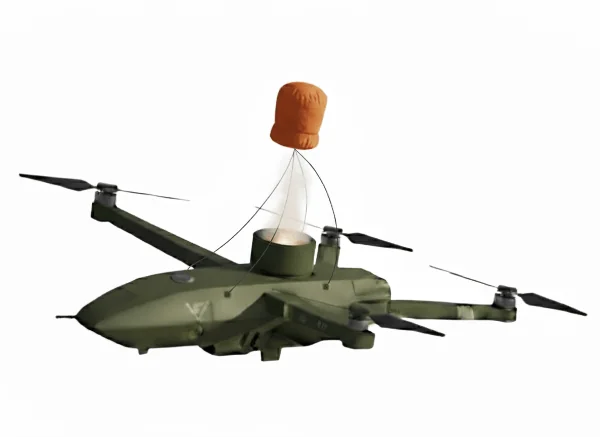
- Assisted: a smaller drogue extracts the main parachute and enforces a consistent opening sequence. In UAV recovery, a compartment door can serve the same purpose as a drag surface.
Primary configurations: round parachutes
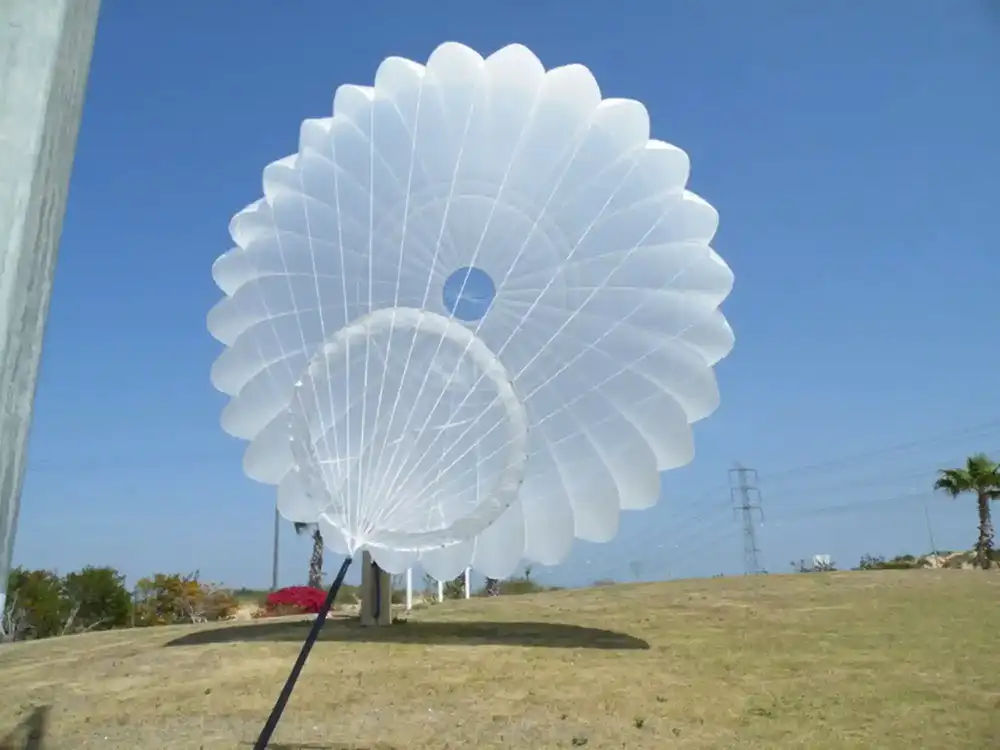
Deceleration parachutes are categorised primarily by canopy shape, each optimised for specific mission profiles.
- Most common in both military and commercial use.
- High strength-to-weight ratio, ideal for very high load applications.
- Configurations include centre-line canopies, pull-down apex designs and various conical (single, bi-conical, tri-conical) shapes.
- Performance can be tuned via the amount of pull-down apex, vent size, canopy porosity, panel shaping and slotting.
- Generally slower to open than rectangular parachutes, which may be beneficial in high-load scenarios.
Primary configurations: rectangular parachutes
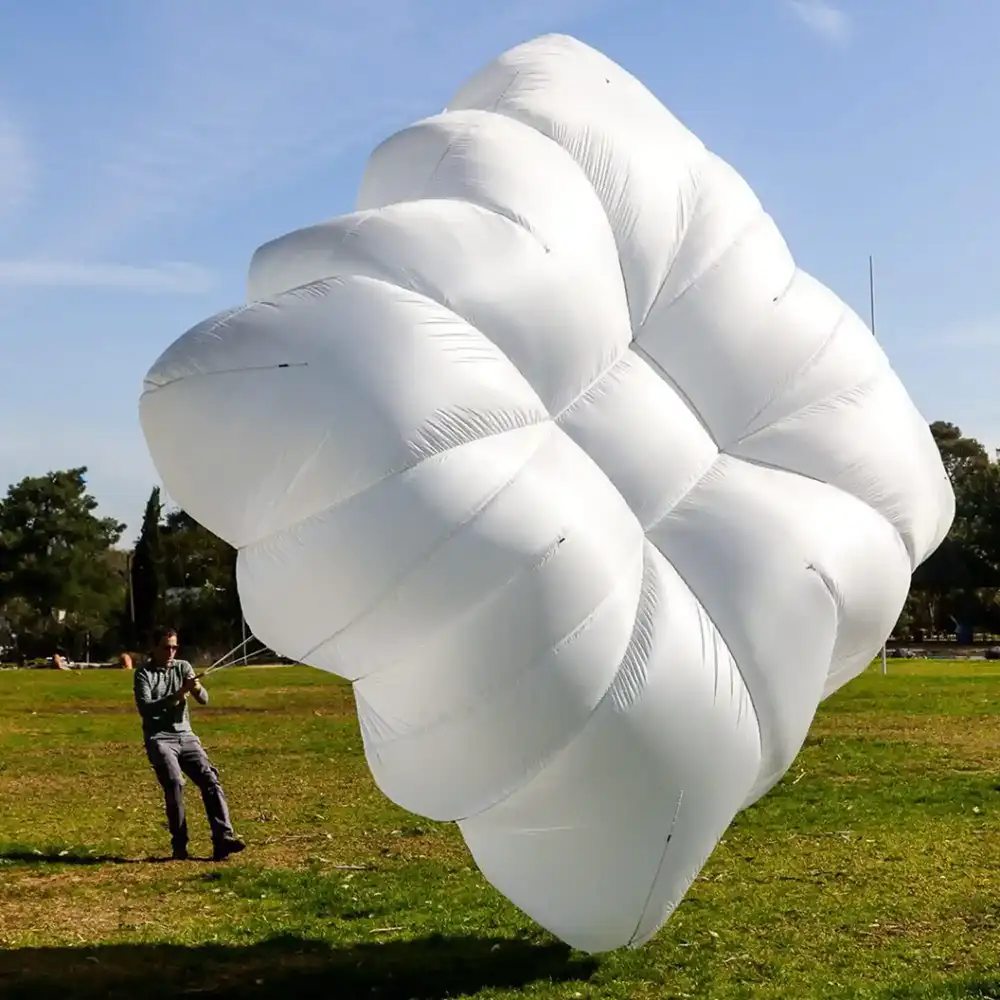
Rectangular canopies typically open faster, have a higher projected-to-surface area ratio and oscillate less — which further improves the effective drag coefficient.
- Increasingly popular for their improved drag efficiency.
- Higher projected area-to-surface area ratio compared to round canopies.
- Superior pendulum stability during descent, further improving the effective Cd.
- Typically open faster than round parachutes — advantageous for rapid deceleration but potentially increasing opening shock.
Opening control systems
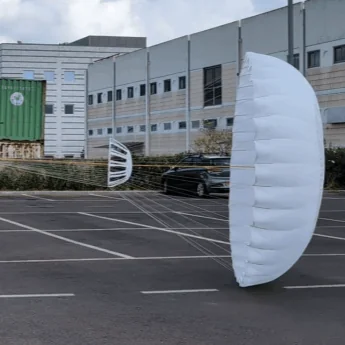
Both round and rectangular deceleration parachutes can be equipped with reefing lines or sliders to delay full canopy inflation. This reduces opening shock loads, which is essential when working near maximum load limits. However, designers must account for altitude loss during the delayed opening phase.
Other specialised shapes
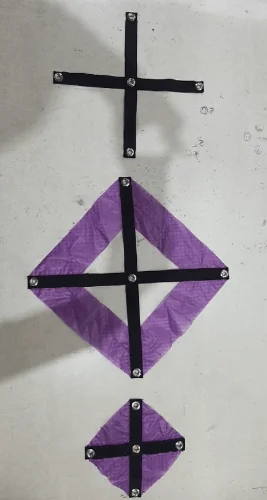
While less common, the following designs are valuable for niche applications in the defence and aerospace industries:
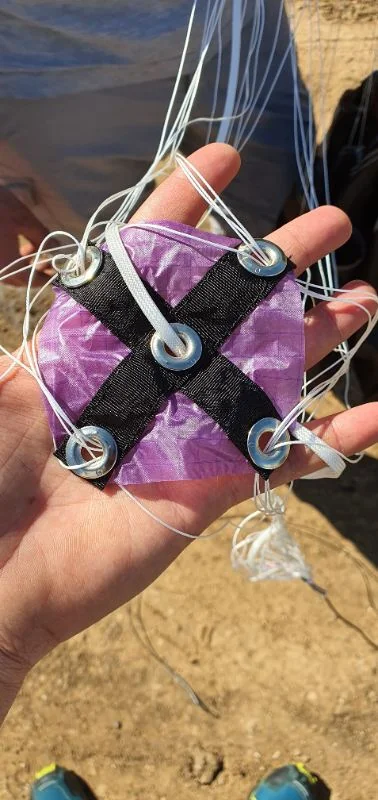
- Cross parachutes: stable and simple for certain cargo drop missions.
- Rotating parachutes: generate controlled rotation for stabilisation or dispersal.
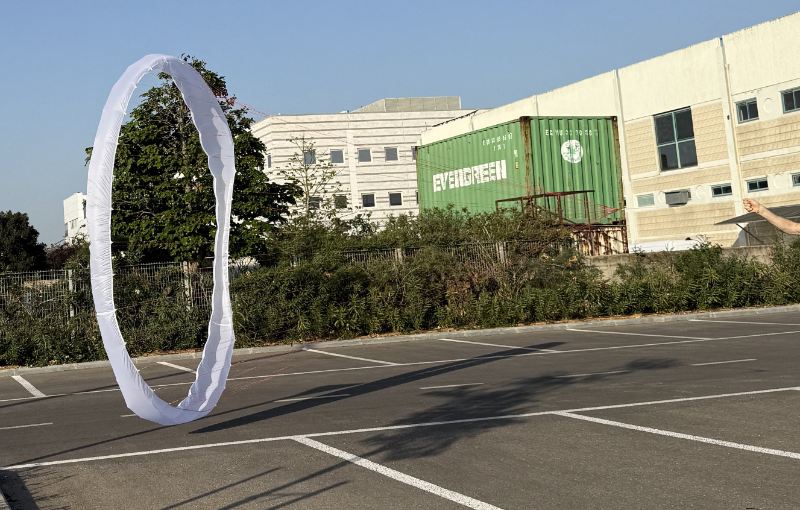
- Annular parachutes: ring-shaped canopies with unique aerodynamic profiles.
Canopy types at a glance
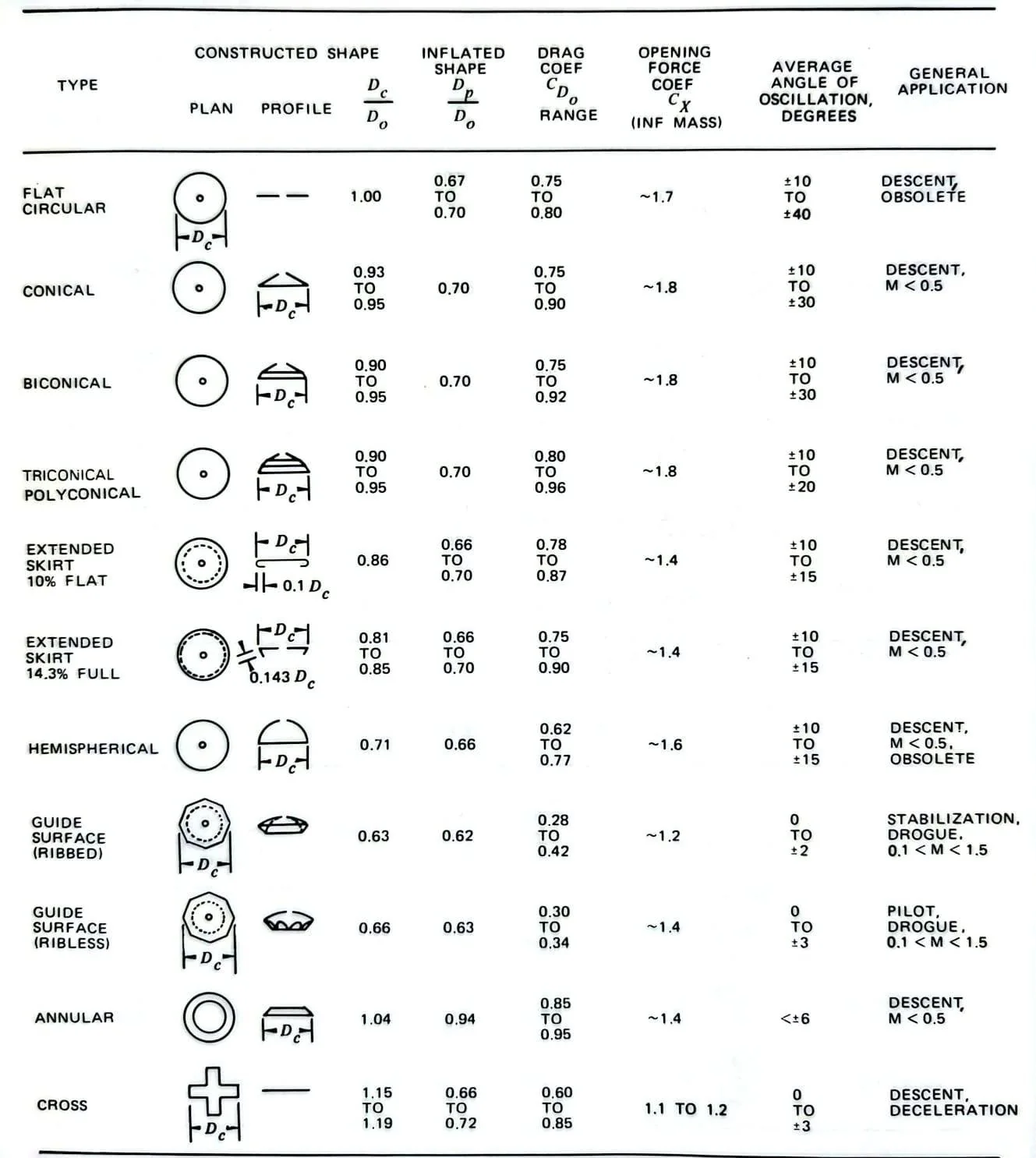
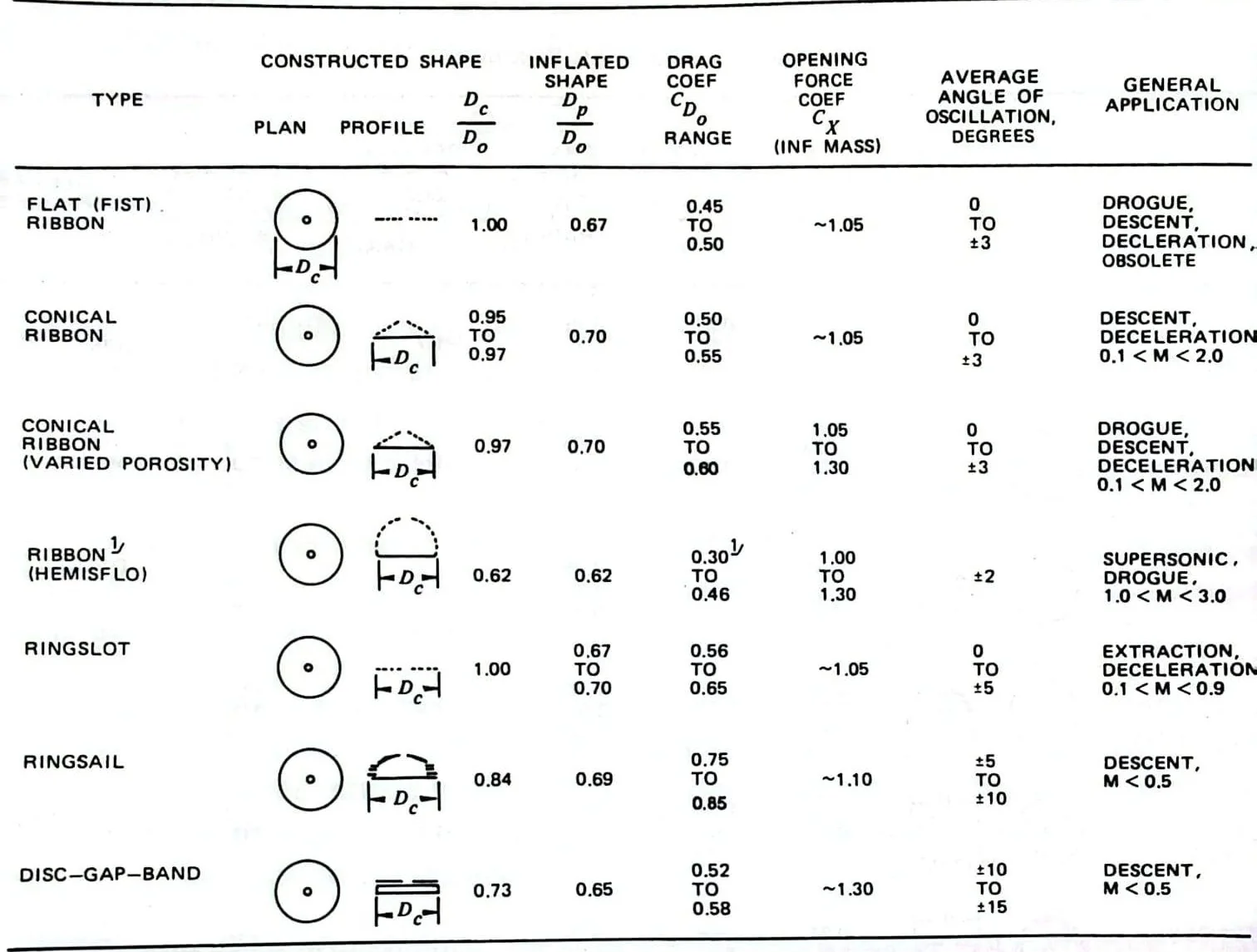
The overview tables group canopy types into four families: solid textile parachutes, slotted parachutes, rotating parachutes and maneuverable (gliding) parachutes. For each type they list plan form, profile, characteristic values and general application.
Source: Knacke, T.W. (1991). Parachute Recovery Systems Design Manual. U.S Army Natick Research, Development and Engineering Center.
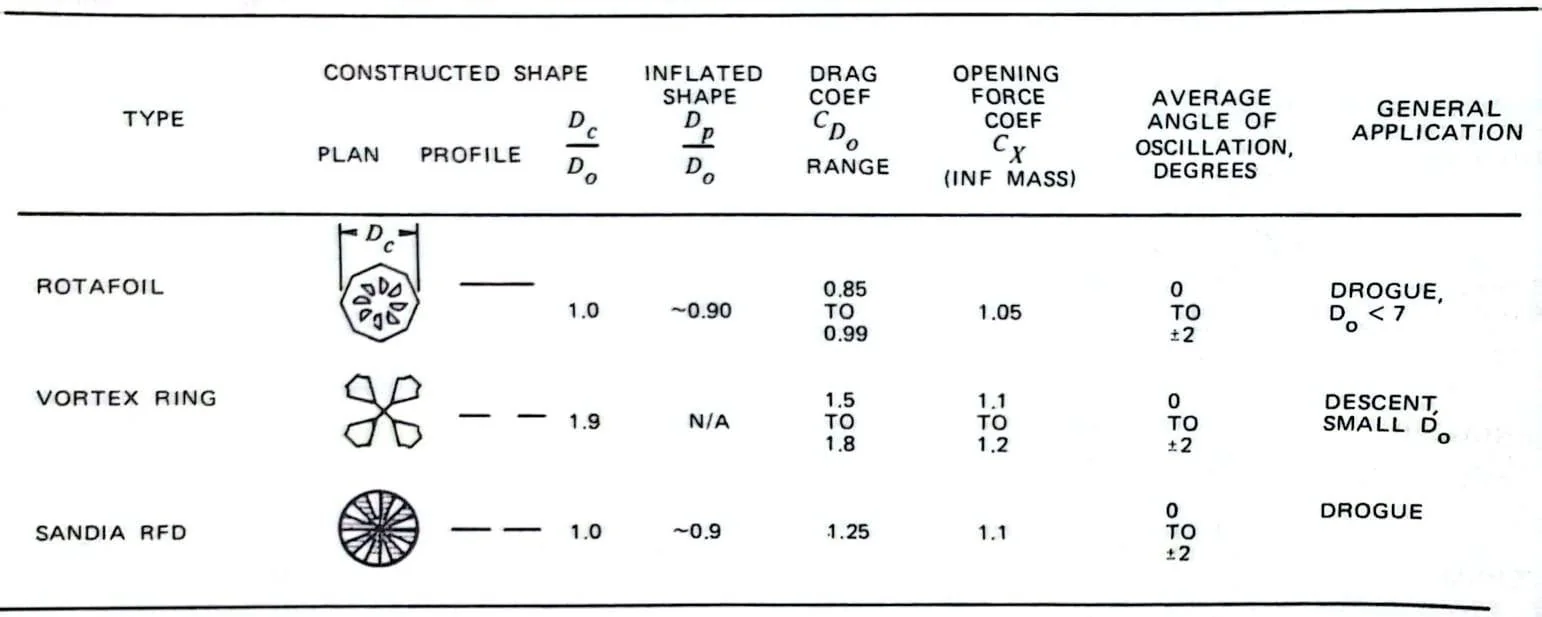
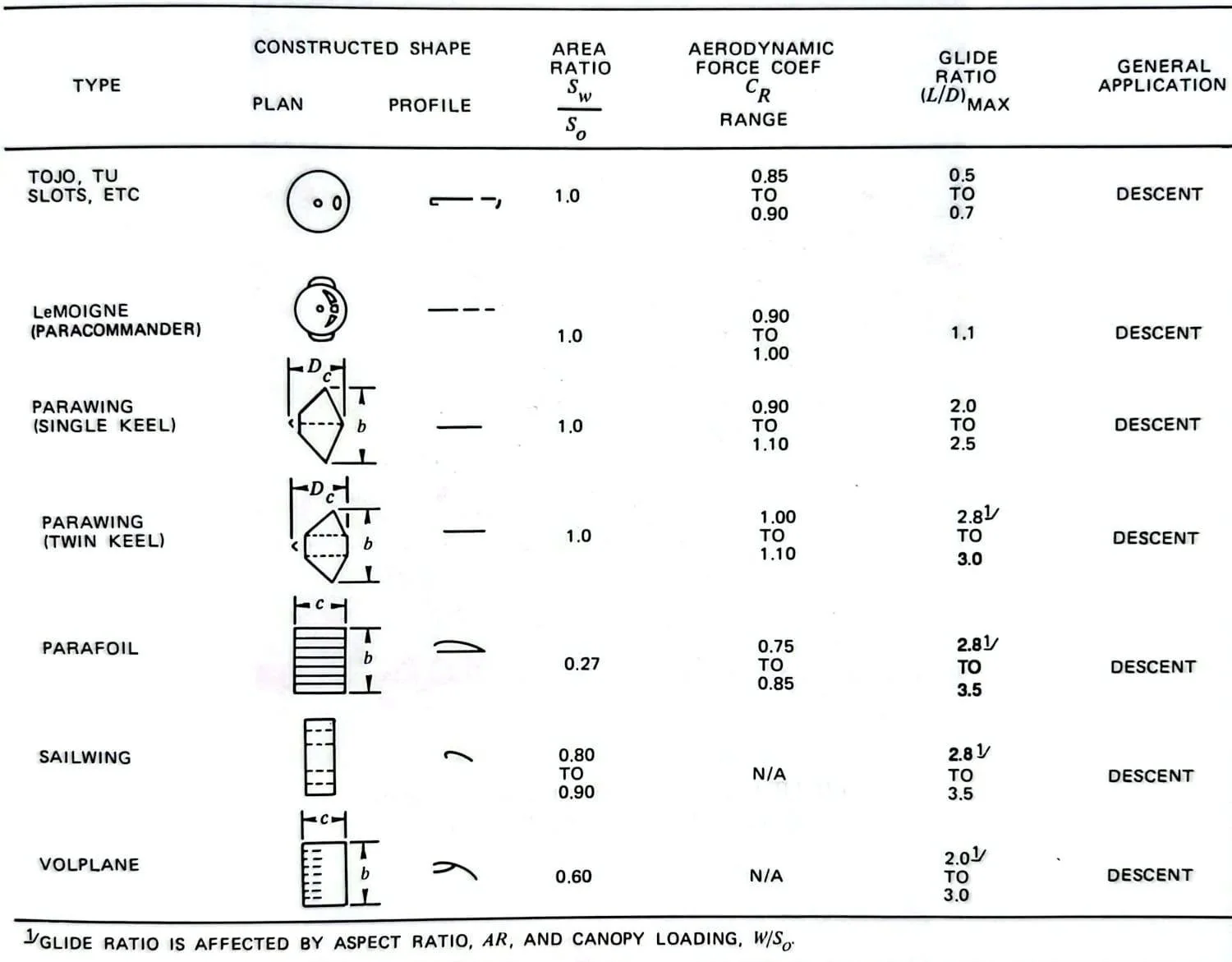
- Configurations
- square, cruciform and round canopies
- Platforms
- Cargo delivery · non-guidedFixed-wing UAVHigh-velocity deceleration
Technical data per manufacturer documentation from APCO Aviation Ltd , as of 2026-07-30.