
Defining requirements
Knowing the risk you need to avoid does not yet define what the solution must achieve. This stage turns it into technical objectives.
Requirements are connected
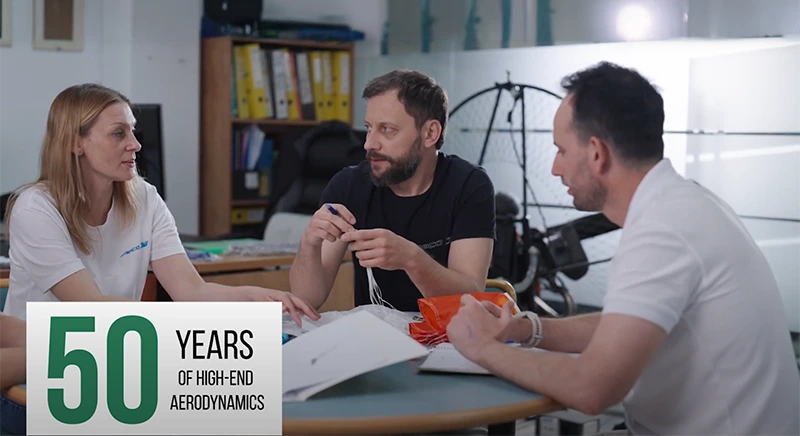
Considered separately, each requirement looks simple; in practice each one affects the wider physical system. A lower descent rate may require a larger canopy. A larger canopy can increase packed volume, soft-goods weight and opening shock. Greater opening shock may require additional load absorption, changes to mechanical components or adjustments to the platform structure.
What this stage settles
Five questions are brought together:
- What must be protected: platform, payload, critical asset or operational area — and the damage, loss or mission interruption to be prevented.
- What the platform can support: available space, weight limits, geometry, structural capacity, attachment points and integration conditions.
- How the solution must perform: descent rate, sink rate, terminal velocity, opening-shock limits, stability, deployment timing, impact protection, flotation or containment.
- Which direction fits: parachute, airbag, deceleration mechanism, deployment bag, ballistic or capture net, flotation system or another custom textile direction.
- What can move forward into development: whether the requirement is realistic, needs adjustment or requires further technical review before design and prototype development begin.
Getting in
For new customers the initial requirements discussion is normally included as part of understanding the project and evaluating its technical scope. It therefore comes before design and development, not alongside them.
The full sequence in view
There is no single rule of thumb. The technical direction is shaped by the risk, the platform limits, the mission conditions and the level of survivability or reliability the project requires. The result is a shared understanding of what the textile solution must achieve and what the platform can realistically support — before resources are committed to development.
The review therefore covers the full sequence in which the solution must operate, including:
- Opening shock on the canopy, textile elements and platform.
- Canopy stability and pendulum behaviour.
- Descent rate and terminal velocity at impact.
- Soft-goods weight and packed volume.
- Available space within the UAV or platform.
- Deployment height, timing and flight dynamics.
- Clean or turbulent airflow.
- Payload sensitivity and structural limits.
- Safety factor and acceptable risk.
- Why an off-the-shelf solution does not fit.
What your team receives
Your team receives a defined technical basis for moving into design and prototype development. The goal is to reduce uncertainty before development begins, so the project moves forward from defined technical requirements rather than assumptions.
For complex programmes the work may continue through formal stages such as a System Requirements Review (SRR) or Preliminary Design Review (PDR), depending on the project scope. Depending on the project, the result can include:
- A defined recovery or protection objective.
- A clear understanding of the asset, payload or platform being protected.
- Identified weight, volume, structural and airflow constraints.
- Defined performance and deployment requirements.
- A practical direction for the textile solution.
- A basis for safety-factor decisions.
- A basis for prototype, testing and validation planning.
- Early identification of conflicting or unrealistic requirements.
- Clearer alignment between engineering, integration and operational teams.
Why APCO
Defining requirements can look like listing specifications. Understanding how those specifications affect one another takes technical judgement.
The manufacturer develops defense textile solutions for recovery and protection across defense, aerospace and unmanned systems: UAV recovery systems, parachutes, airbags, deceleration mechanisms, deployment bags, ballistic nets, capture systems and other custom textile-based applications. It has developed UAV recovery solutions for platforms ranging from under 1 kg to more than 1,000 kg.
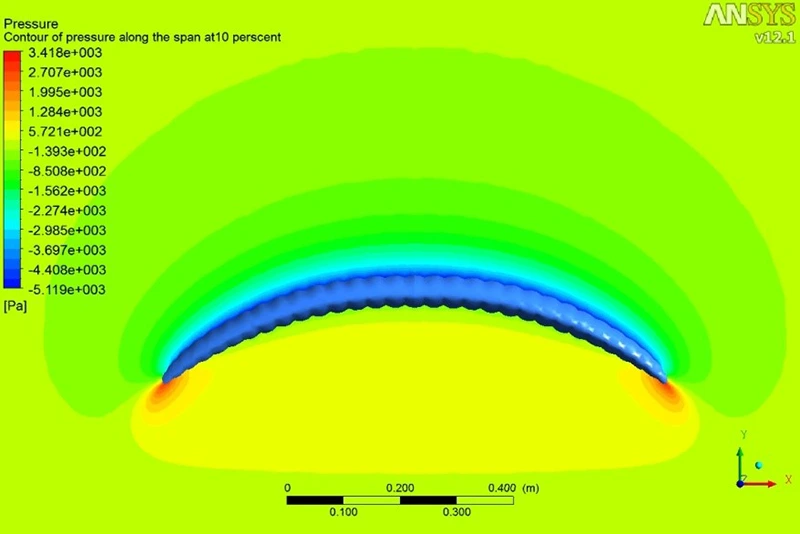
At the requirements stage the textile element is therefore not considered in isolation. The review looks at how the complete recovery or protection direction must work with the platform, payload and mission outcome — shock, stability, weight, volume, deployment timing, airflow and platform structure as one connected physical system.
- Phase
- Define
- Continues with
- PrototypingDesign
Technical data per manufacturer documentation from APCO Aviation Ltd , as of 2026-07-30.