
Gliding parachutes
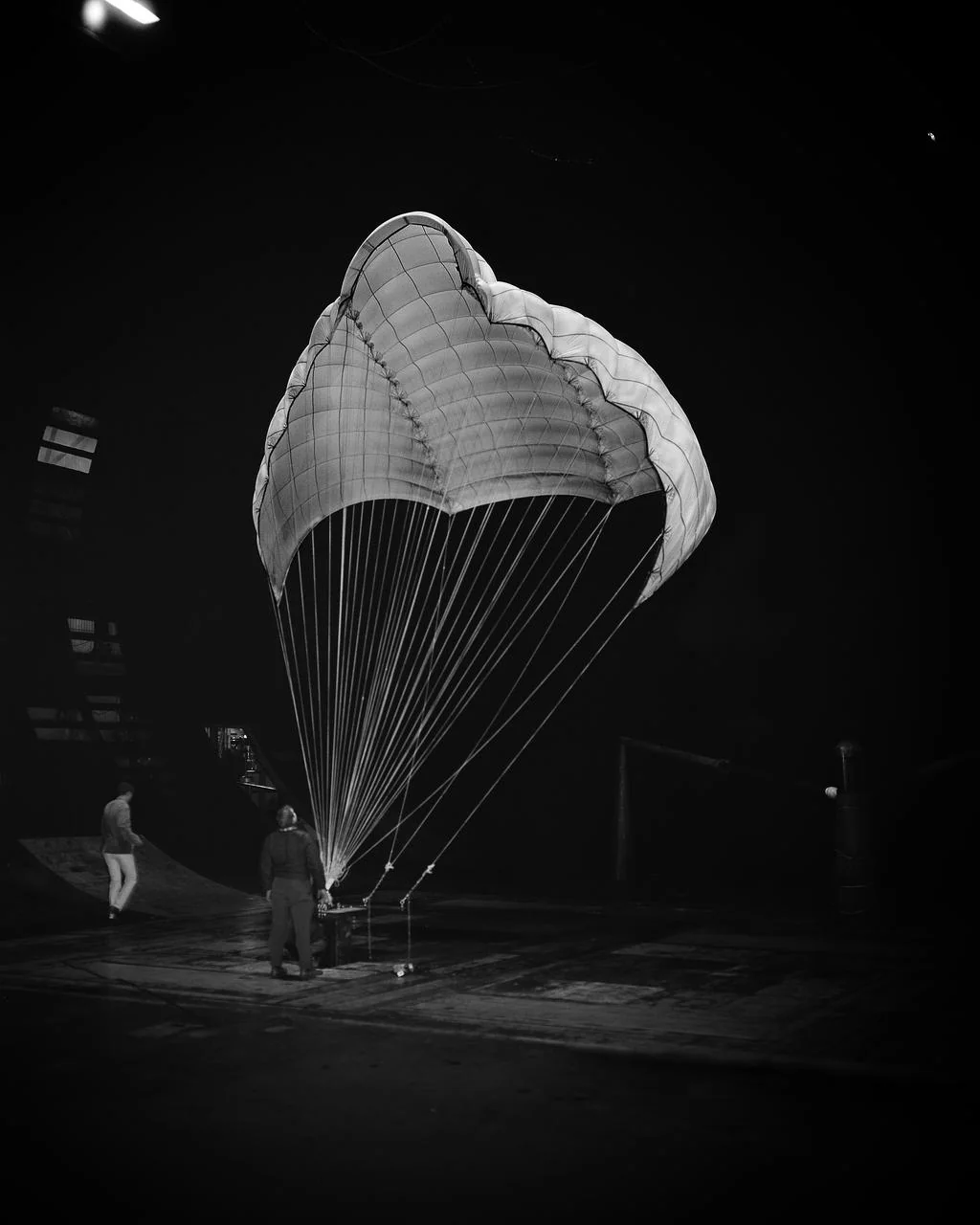
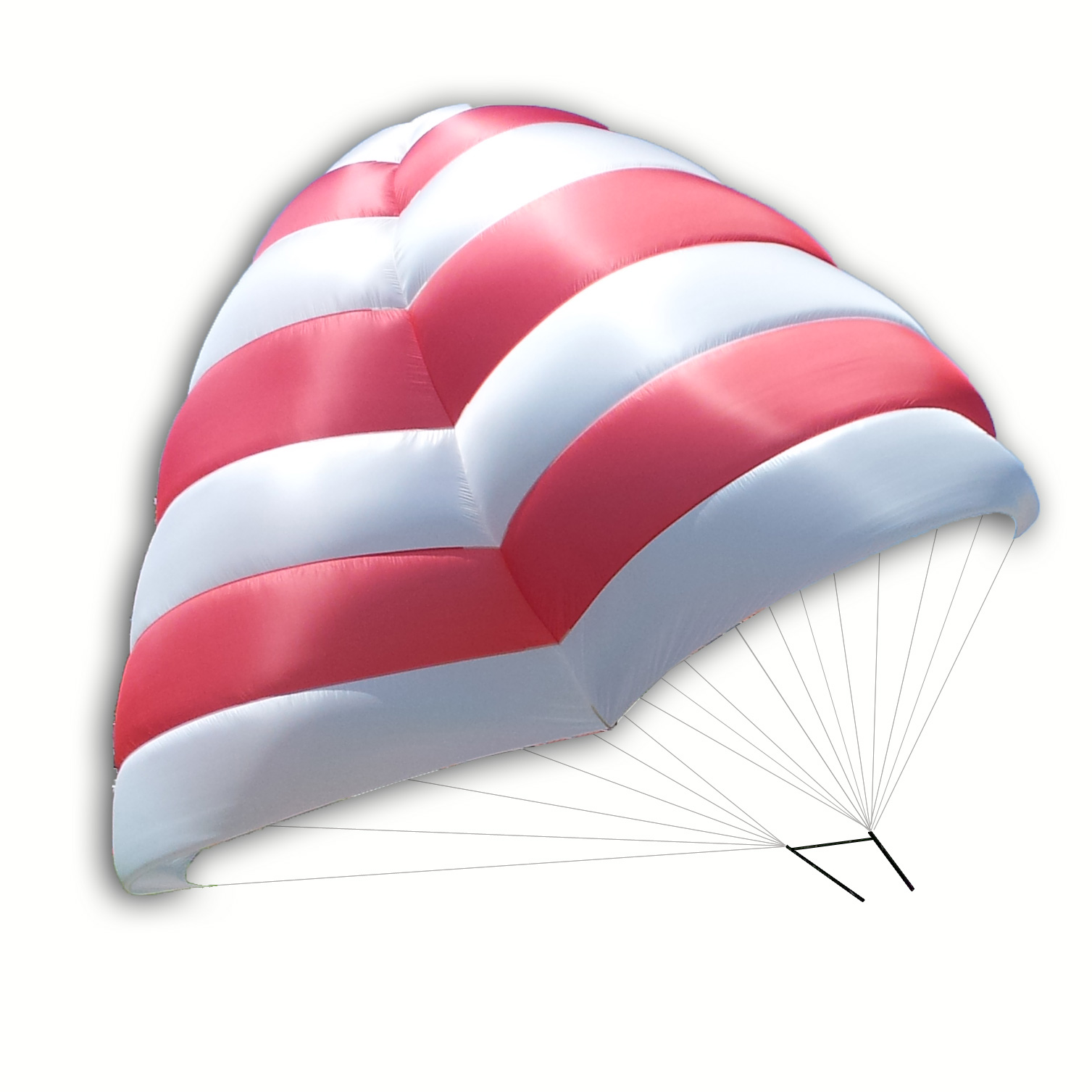
Gliding parachutes generate drag and lift at once: they sink more slowly and travel horizontally instead of simply descending.

Construction
Gliding parachutes are a specialised type of deceleration parachute. By gliding through the air rather than simply descending, they reduce sink rate and extend horizontal travel, allowing use in precision landing applications.
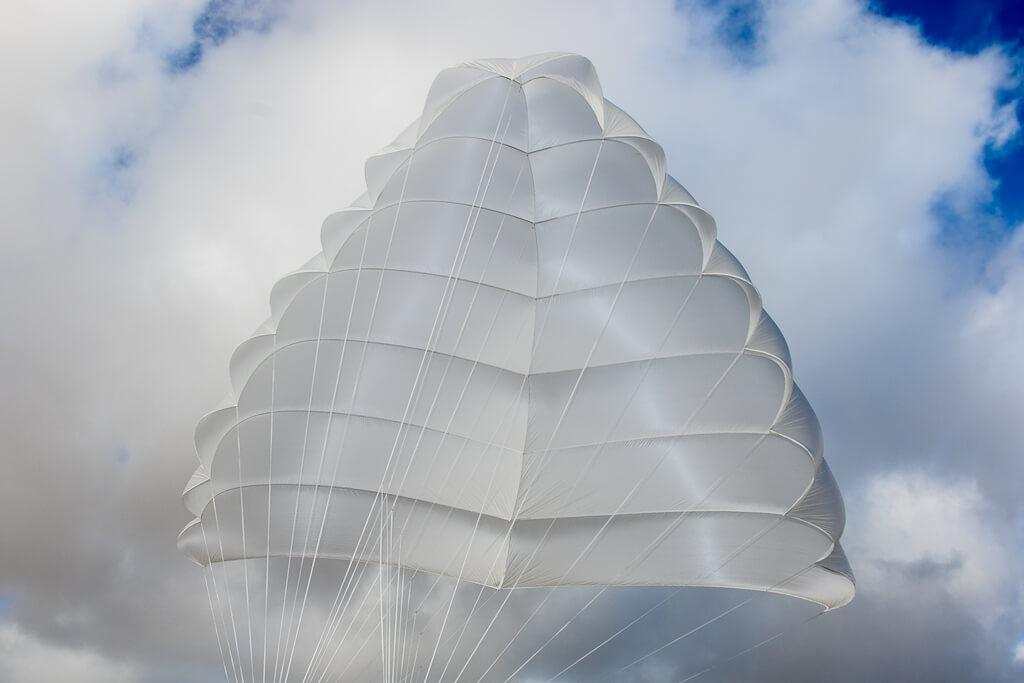
Gliding parachutes — also known as Rogallo-type parachutes — are built from a single layer of high-strength technical fabric with no internal volume. Their glide ratio (L/D) is limited compared to advanced ram-air canopies, but they combine low weight and low packed volume for the required sink rate. That makes them particularly effective for weight-sensitive platforms such as UAV recovery systems, precision cargo drops and special forces deployment, where lightweight, low-bulk and low-volume textile solutions are mission critical.
What they deliver in the field
Two key advantages:
- Trajectory control for landing accuracy: steerable designs navigate to the intended touchdown point even in difficult wind.
- Flare capability for impact reduction: just before touchdown the trailing edge is deflected, momentarily converting forward airspeed into lift. This improves the lift coefficient of the airfoil, further reducing sink rate and ground impact forces.
Comparative efficiency
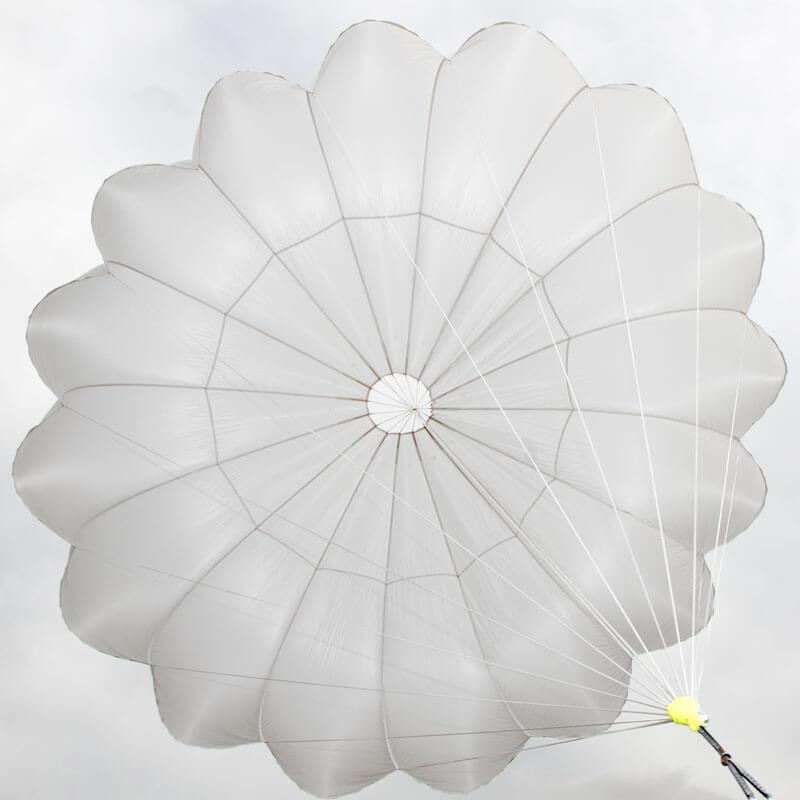
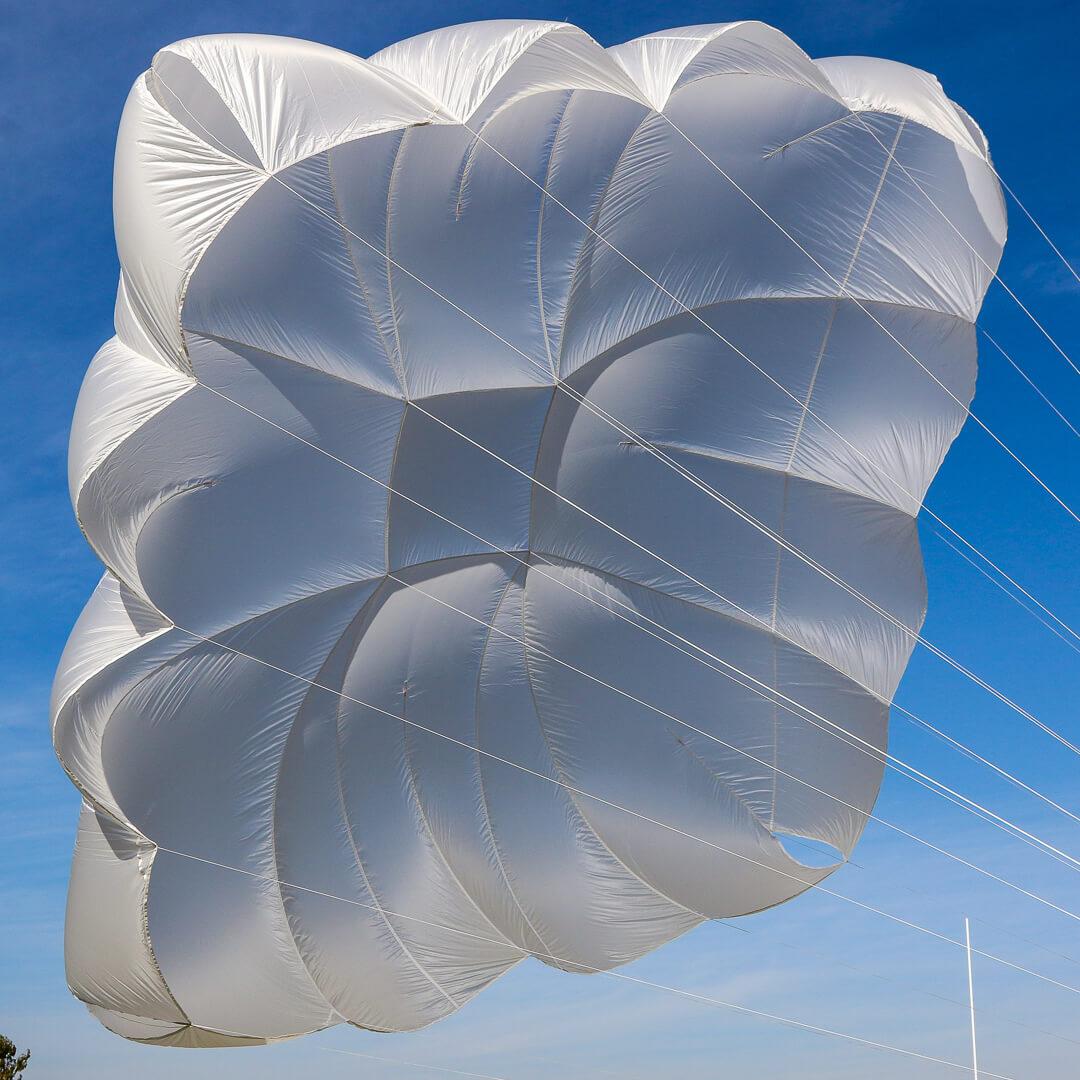
At equal flat surface area — flat surface meaning the canopy area when laid flat on the ground — a well-designed gliding parachute is typically 20–25 per cent more efficient at reducing sink rate than a round canopy, and 10–15 per cent more efficient than a rectangular one.
Applications in defense and aerospace
Typical fields of use:
- Cargo drops and recovery missions requiring precision landing.
- UAV and drone recovery systems where lightweight and compact deployment is essential.
- Steerable emergency parachutes for personnel or equipment.
- Custom-made textile solutions for specialised deceleration and recovery needs.
Manufacturing
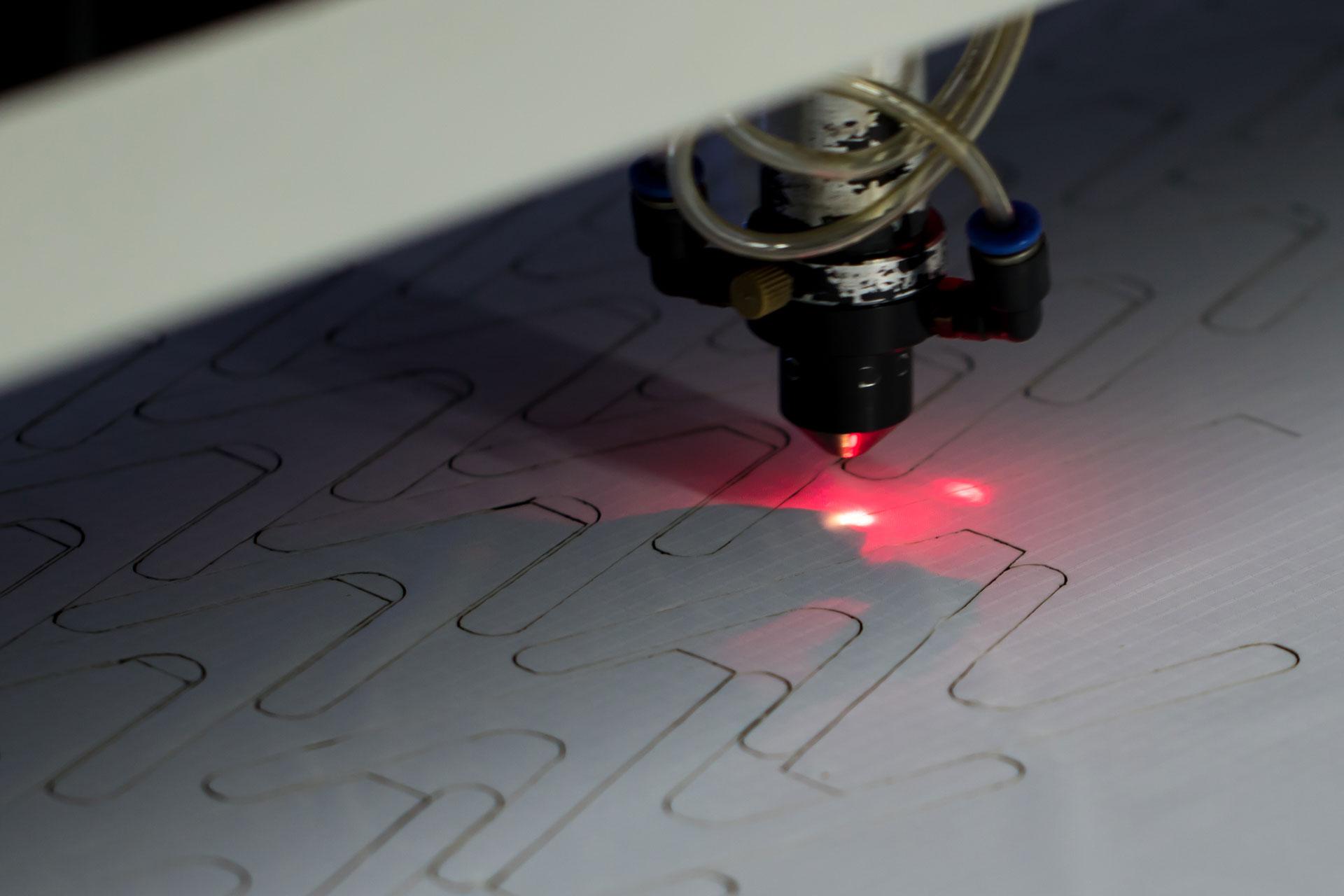
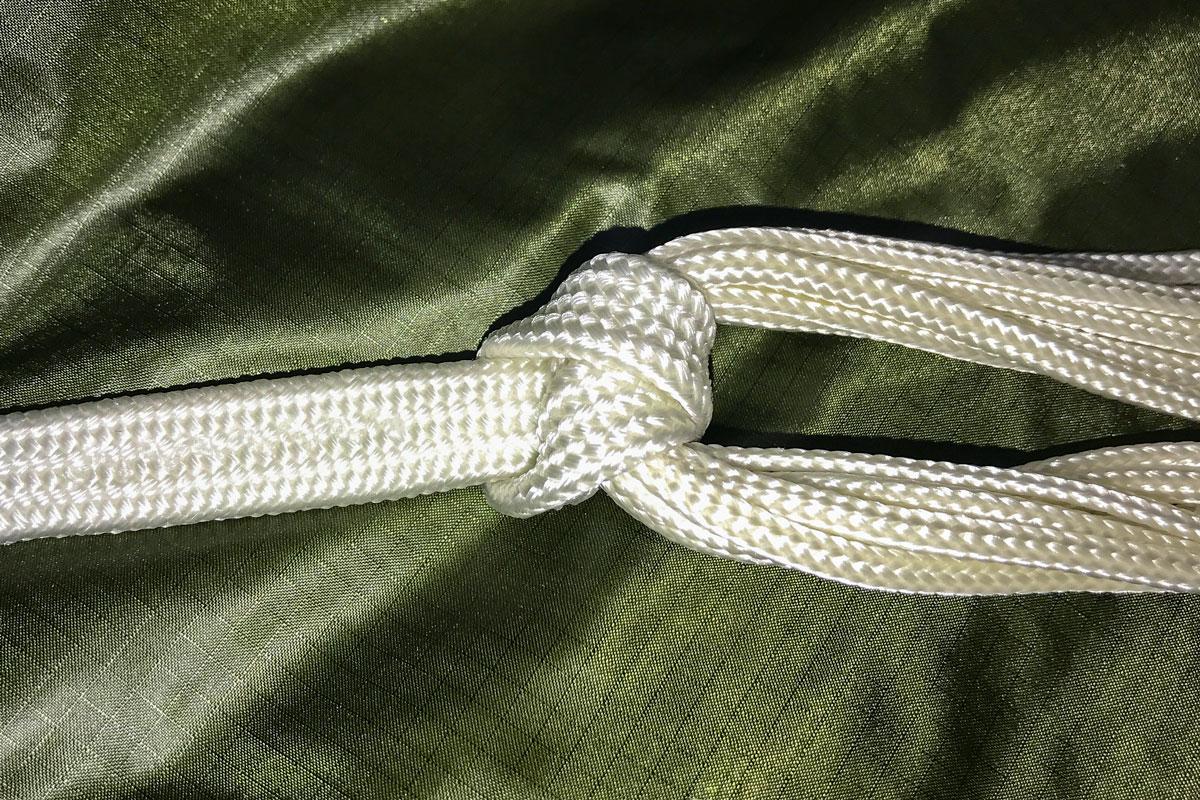
We design and build military-grade gliding parachutes to exacting ISO 9001 standards, using certified, combat-proven materials. Every system is fully traceable from raw material to final deployment.
- Platforms
- Fixed-wing UAV
- Environments
- Rough terrain
Source: apcodefense.com (APCO Aviation), as of 25 September 2026.