
Parachute design
and textile engineering.
Technical articles on recovery systems, materials and parachute cloth.
Articles
Materials, design and testing.
-
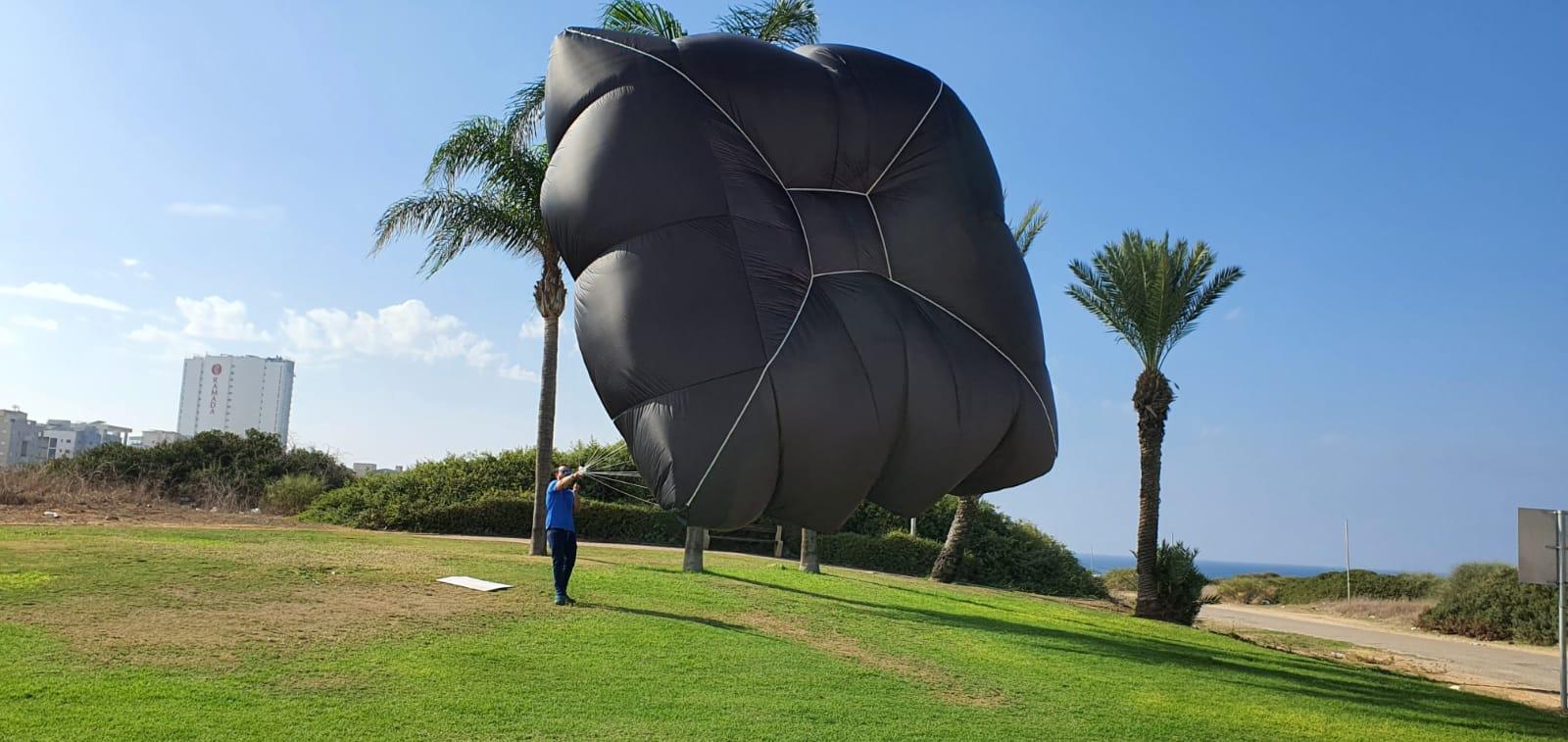 Survivability, not just a soft landing UAV recovery is usually treated as a descent problem. But reaching the ground is only part of the recovery outcome.
-
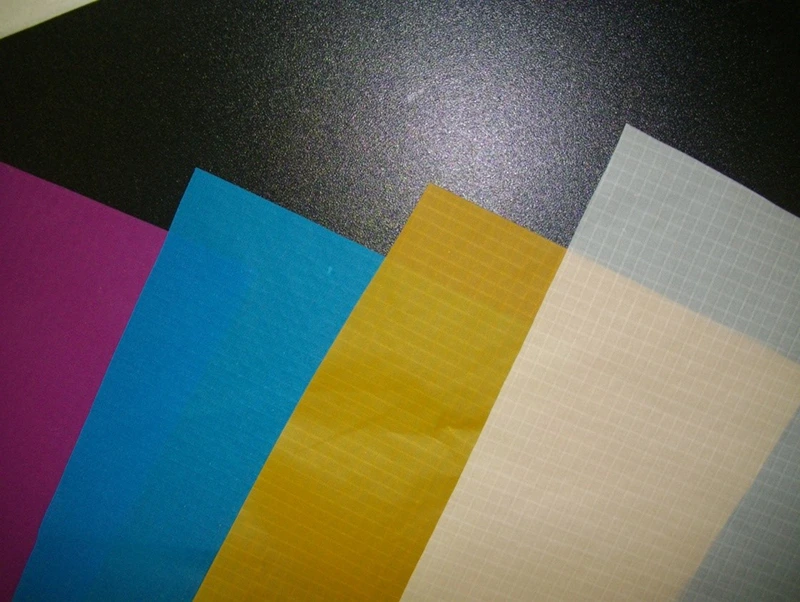 Aramid fabrics and parachute components Fabrics, lines and reinforcement tapes are not picked from a catalog but by deployment speed, payload class, environmental exposure and safety margin.
-
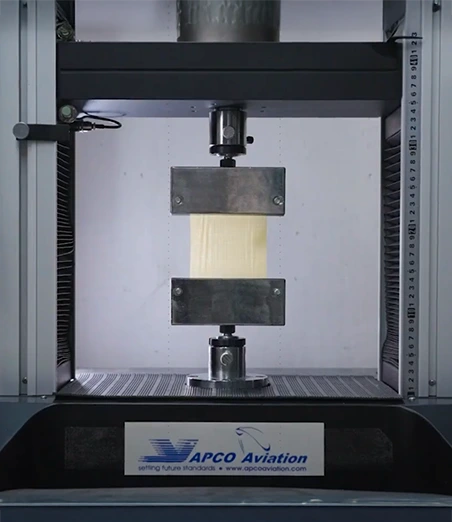 ISO 9001 and traceability Quality is not created at final inspection. It rests on every step from raw material to shipping being demonstrable.
-
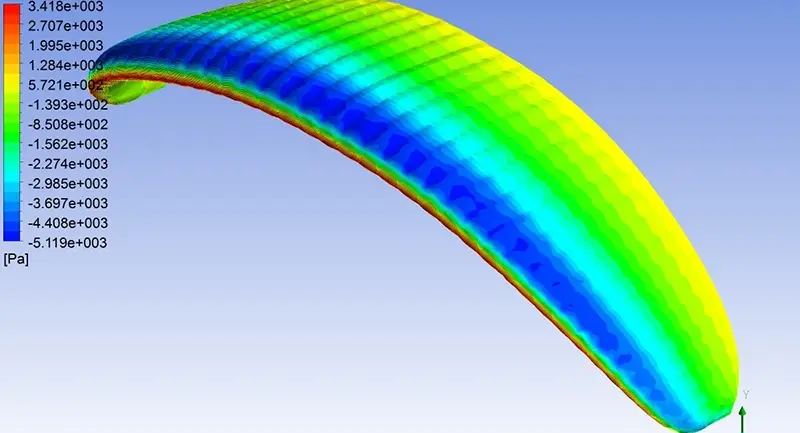 Glide ratio and sink rate The glide performance of a recovery system decides range, release point and landing accuracy — and it comes from sport aviation.
-
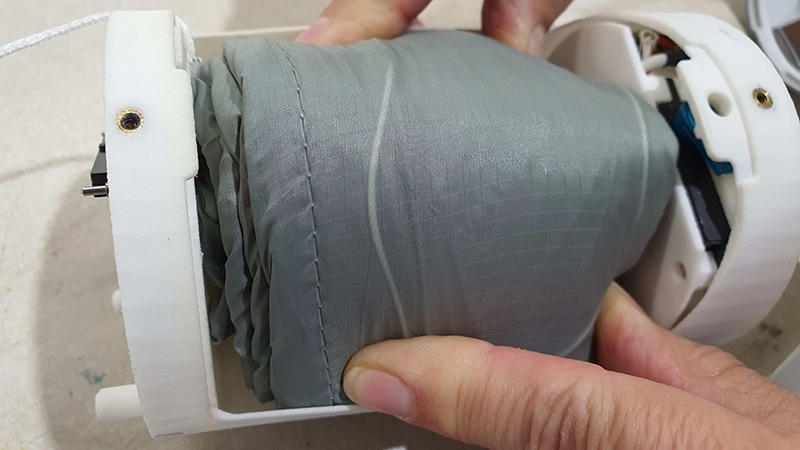 Parachute weight and packed volume Where every gram counts, performance comes from better geometry and lighter components, not from more material.
-
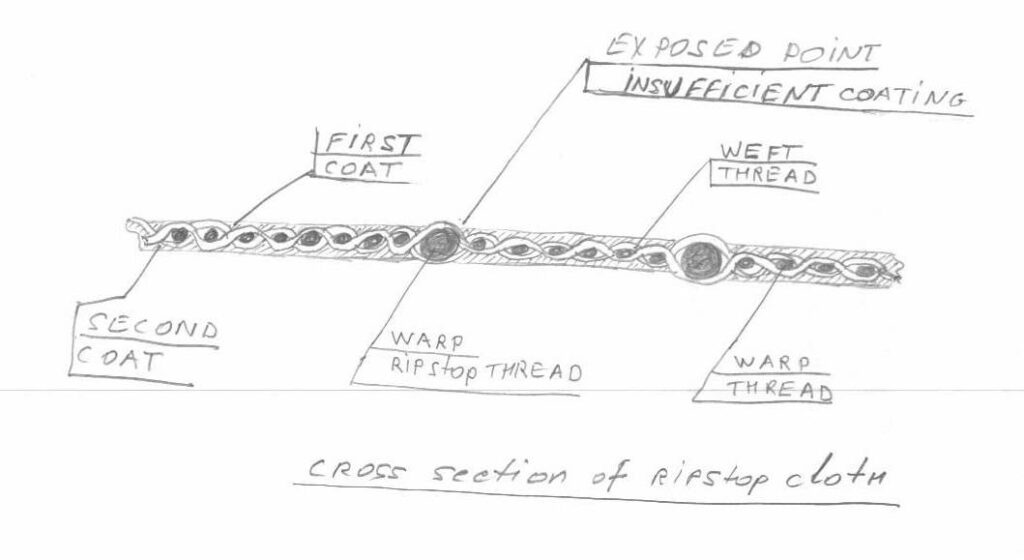 Ripstop fabric: nylon paragliding cloth Weight, porosity and elongation decide what paragliding and parachute cloth delivers and how long it keeps that performance over the lifespan of the wing.
Topics in the Knowledge Center.
Alongside the articles, the Knowledge Center covers six topics: annular parachute, steerable canopies, UAV parachute, airbag, Soft Gurney and release mechanism.
-
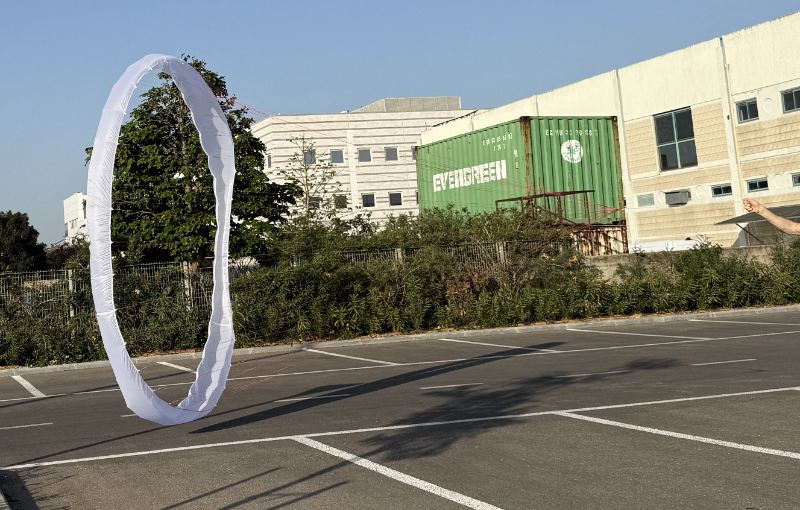
Annular parachute -
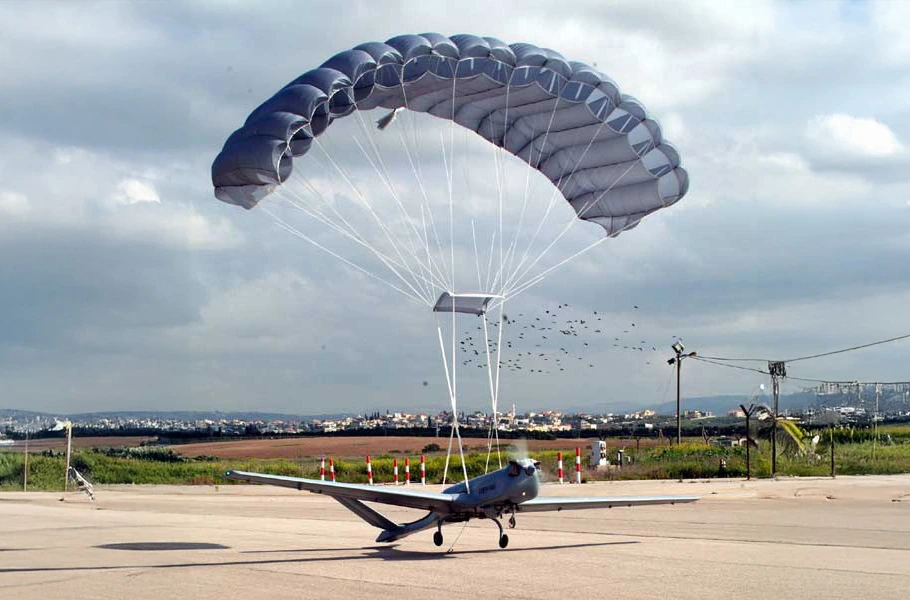
Steerable -
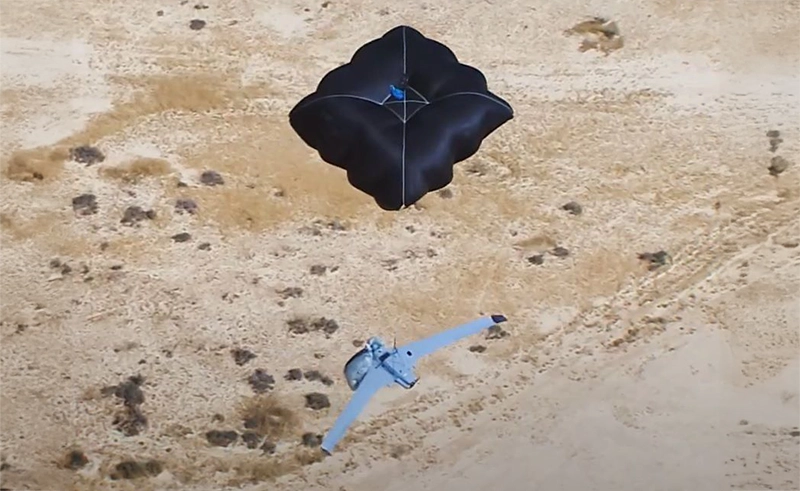
UAV parachute Square parachute alongside the landed fixed-wing UAV. -
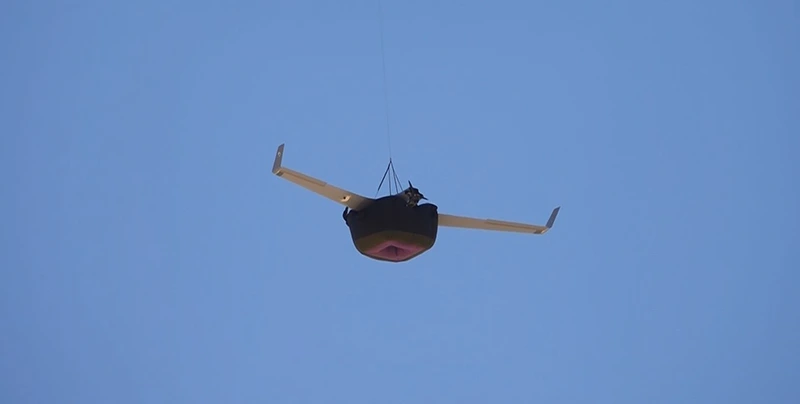
Airbag -
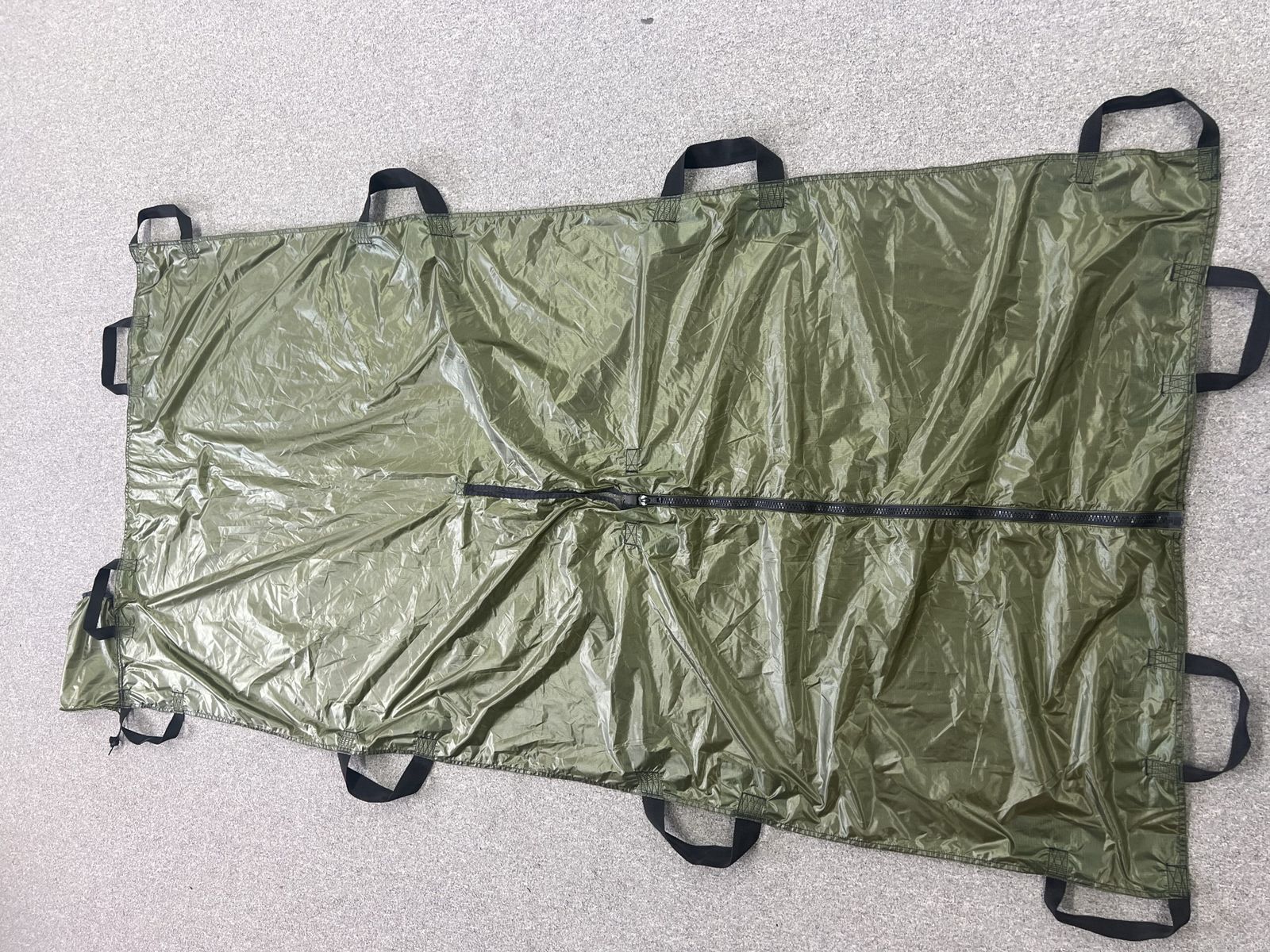
Soft Gurney -
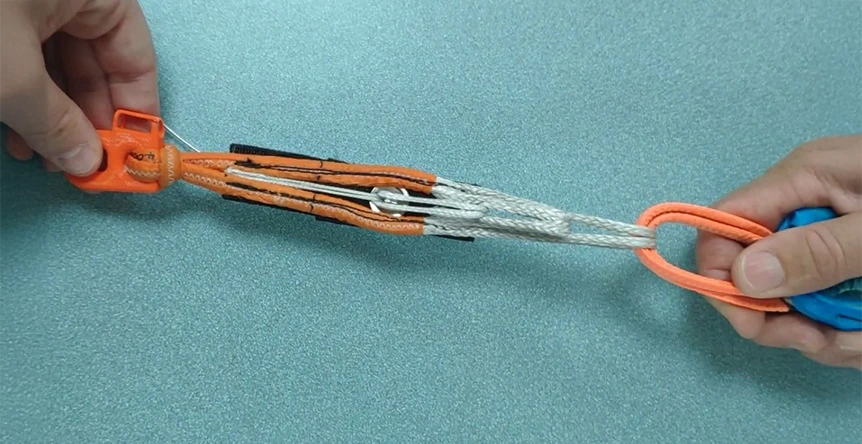
Release mechanism
Source: apcodefense.com (APCO Aviation), as of 25 September 2026.
What design requirement would you like to discuss?
Talk to engineeringFrequently asked
Asked by engineers.
Which technical topics does the Knowledge Center cover?
Topics include glide ratio and descent rate, weight and packed volume, materials and components, parachute and paraglider cloth, qualification and traceability. Selecting a recovery system also requires the platform mass, the speed at deployment and the space available for installation.