
Production and serial manufacturing
Production turns a validated solution into a repeatable manufactured system — with the approved configuration unchanged.
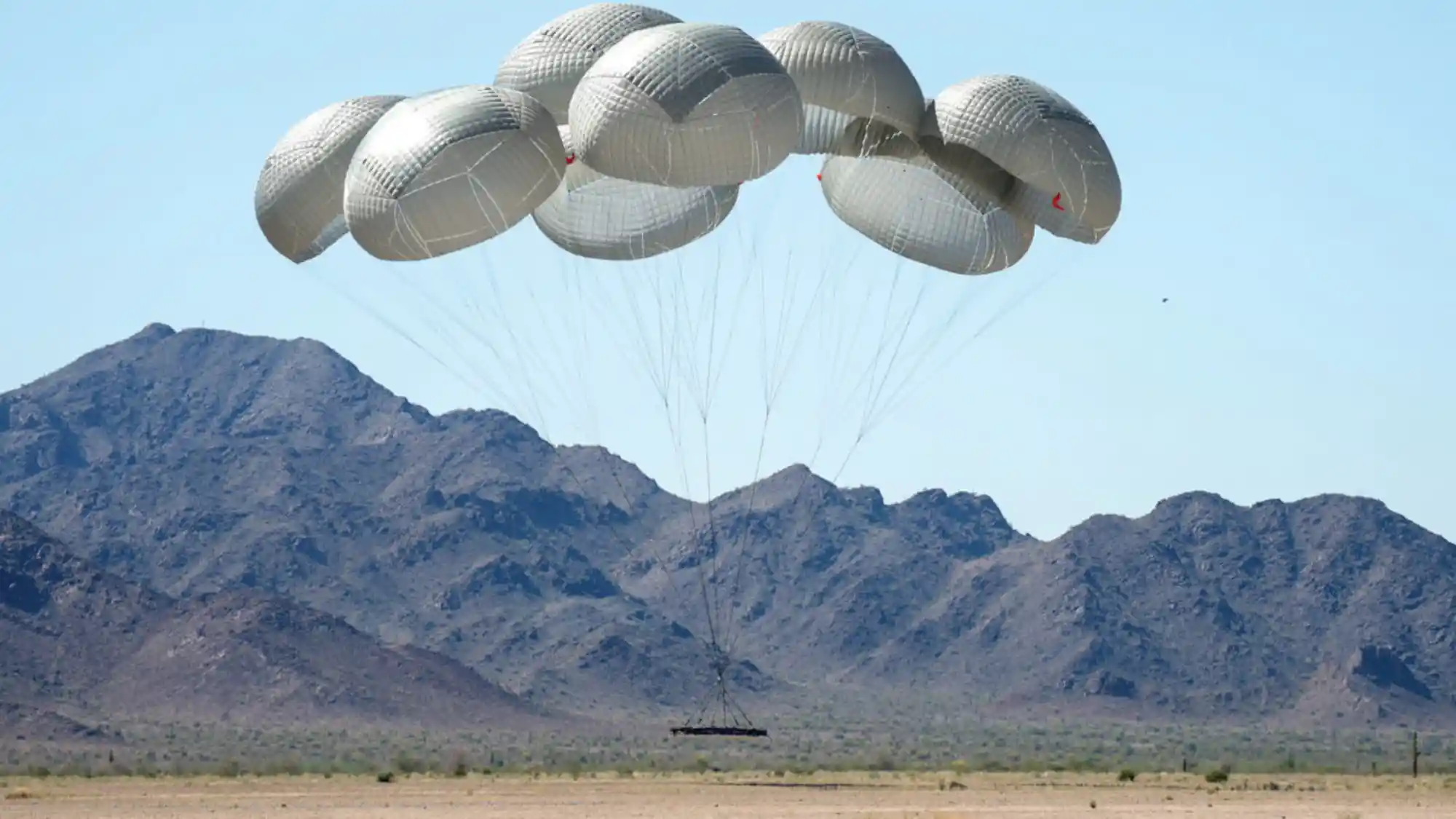
From validation to repeatability
Once tested and validated, the solution is translated into a clear production configuration. It defines what must remain consistent throughout manufacturing: materials, components, dimensions, construction, assembly, interfaces and packing requirements. This gives the production team a clear reference for manufacturing the approved textile solution.
Depending on the solution, the production definition may include:
- Approved materials and components.
- Textile construction and assembly methods.
- Dimensions and system geometry.
- Platform interfaces and attachment points.
- Folding, packing and storage requirements.
- Deployment-related elements.
- Inspection and documentation requirements.
- Configuration control and traceability.
What happens in production
Activity covers textile cutting and sewing, assembly of textile and mechanical components, integration of deployment elements, folding, packing, inspection and preparation for delivery. Production may begin with an initial quantity, continue through defined manufacturing batches or support ongoing serial supply.
Why small changes matter
For lightweight, low-bulk systems even small changes to materials, construction or packing can affect integration and deployment behaviour. Other systems depend on specific containment, load, impact or deployment requirements. Configuration control is therefore part of production, not a downstream formality. The manufacturing process is built around the approved solution rather than applied as a standard production model.
Quality control within the process
Quality control remains part of that process. The objective is to manufacture each recovery or protection textile solution according to the approved technical direction and the function it was developed to perform. Depending on the solution, inspection may cover:
- Material and component consistency.
- Textile workmanship.
- Dimensions and system layout.
- Assembly and attachment points.
- Folding, packing or storage.
- Deployment-related elements.
- Configuration records.
- Final system condition before delivery.
What your team gets
Your team receives the validated recovery or protection textile solution manufactured according to its approved production configuration. This creates a controlled route from validated design to manufactured units ready for operational use or the next project stage. Depending on the project, this can include:
- Initial production quantities.
- Defined manufacturing batches.
- Continued serial supply.
- Controlled manufacturing records.
- Configuration and traceability information where required.
- Quality-control documentation.
- Preparation for delivery and technical support.
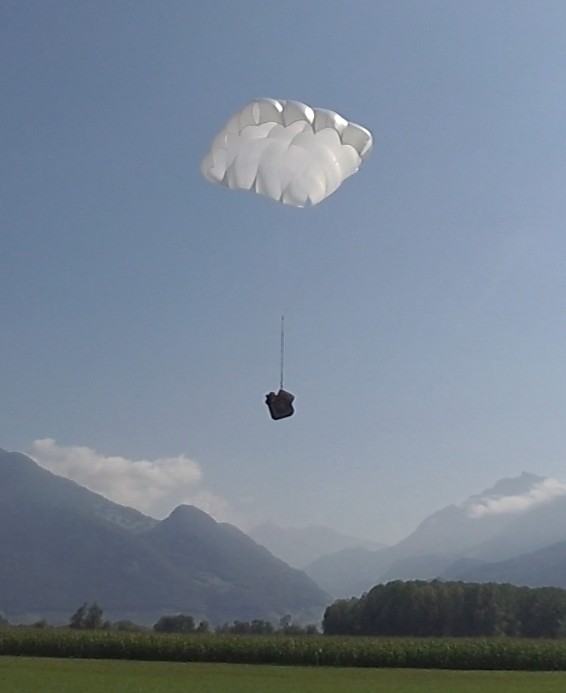
Why APCO
Producing a textile solution repeatedly while maintaining the approved construction and quality takes practical manufacturing experience.
The manufacturer develops and manufactures defense textile solutions for recovery and protection across defense, aerospace and unmanned systems: parachute recovery systems, airbags, deceleration mechanisms, deployment systems, ballistic and capture nets, precision airdrop solutions and custom textile-based applications. It operates a 3,200 m² production facility built for its manufacturing requirements, with in-house capabilities for skilled textile production, assembly, inspection and quality control.
Successful production begins long before manufacturing starts: with defining the requirements, developing the physical solution, testing its performance and carrying every approved decision into production.
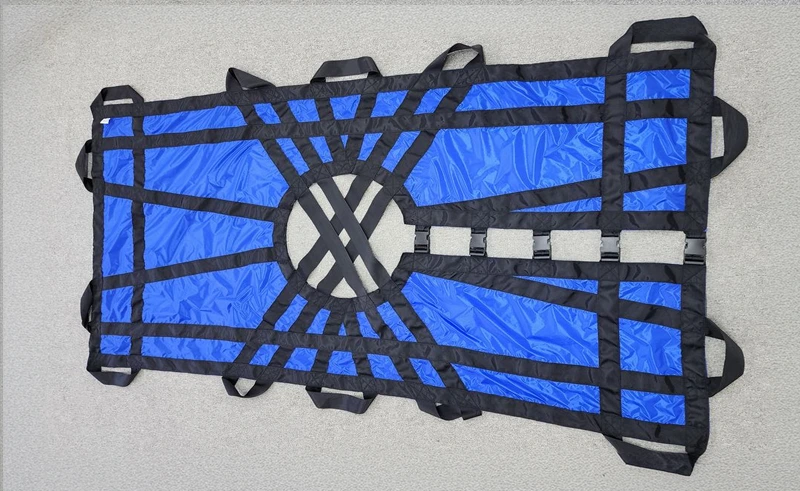
- Phase
- Production
- Standards
- ISO / ASNIST 800-171
Technical data per manufacturer documentation from APCO Aviation Ltd , as of 2026-07-30.