Services · one accountable partner

From first requirement
to qualified system.

One continuous development cycle with a single accountable partner. Every phase produces a result the next one builds on.

  1. 01

    Define

    Mission requirements, constraints, cost and timeline are agreed before any engineering decision is taken.

    ResultAgreed system requirement

  2. 02

    Design

    Recovery architecture, lightweight materials and the supporting analysis are developed against the defined constraints.

    ResultArchitecture and material concept

  3. 03

    Prototyping

    Build, material testing and assembly produce an article that can actually be put under test.

    ResultTestable prototype

  4. 04

    Testing

    Deployment sequences, ground and air drops, and the analysis of the recorded data establish how the system behaves.

    ResultTest data and evidence package

  5. 05

    Production

    Traceable series manufacturing, quality control and delivery turn the released design into hardware.

    ResultProduction release and delivery

  6. 06

    After sale

    Manuals, training, repair, repacking and lifecycle support keep the system available for its service life.

    ResultTraining and lifecycle support

The phases in detail

What each phase defines, builds and proves.

01

Defining requirements

Every successful aerial system begins with clearly defined, mission-specific requirements. Detailed technical specifications for parachutes, inflatable decelerators, cargo drop systems and custom textile solutions are established in close cooperation with each customer.

The collaborative requirement-definition process includes:

  • Identifying mission parameters: payload mass, opening altitude, flight speed, descent profile and deployment environment.
  • Defining performance goals: sink rate, glide ratio, G-force tolerance, landing footprint and steerability.
  • Selecting the optimal recovery type: round, rectangular, cruciform, ram-air, steerable, single-skin (manual or autonomous) or hybrid, e.g. canopy plus airbag.
  • Addressing deployment constraints: weight, volume, multistage vs. instantaneous deployment, repackability.
  • Aligning with certification targets: MIL-SPEC, EN or ISO standards where applicable.
  • Setting realistic timelines and cost frameworks based on mission scope and available resources.

With deep domain experience in both defense and commercial aerospace, the project begins with clear, achievable and operationally sound requirements.

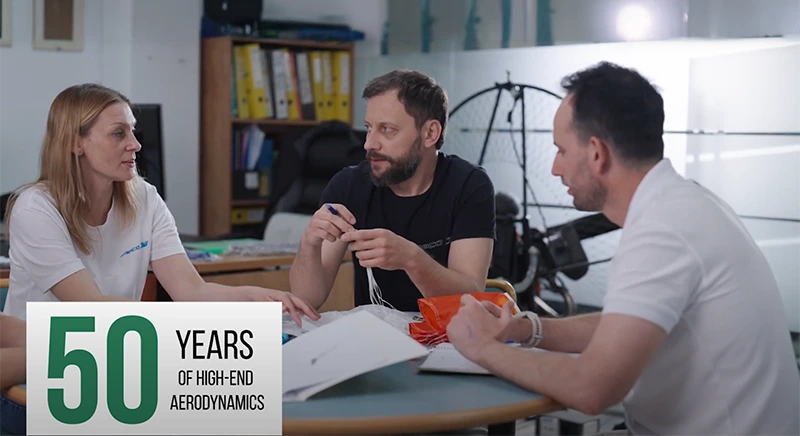
Three people discuss a small orange parachute sample at a table; overlay reads “50 Years of High-End Aerodynamics”
02

Designing the optimal solution

Once requirements are finalised, a multidisciplinary team of engineers crafts the best possible solution — leveraging advanced textile engineering, aerodynamic simulation and over five decades of field-tested design heritage.

This phase includes:

  • Mapping mission profiles to ideal recovery system architectures.
  • Performing dynamic simulations of canopy behaviour under various real-world loads.
  • Designing for minimal volume and weight — without compromising reliability.
  • Selecting from stocked, battle-proven materials such as Nylon 6.6, Kevlar®, Dyneema® and specialty inflatables.
  • Integrating required components: reefing devices, sliders, release systems, airbags, connectors and reinforcement layouts.
  • Presenting a validated concept to the client through structured reviews (SRR, PDR, CDR), tailored to the project timeline.

Every design is validated for structural integrity, deployment efficiency, environmental durability and ease of integration into the final platform — ensuring readiness for prototyping and field testing.

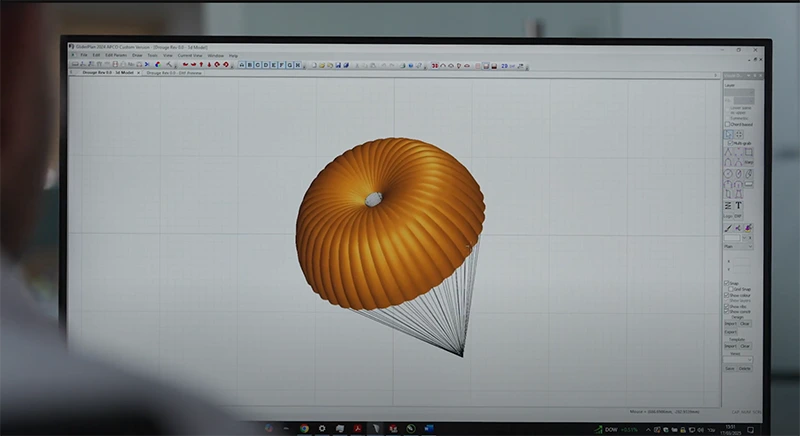
Screen showing a 3D model of a round parachute canopy with its lines in design software
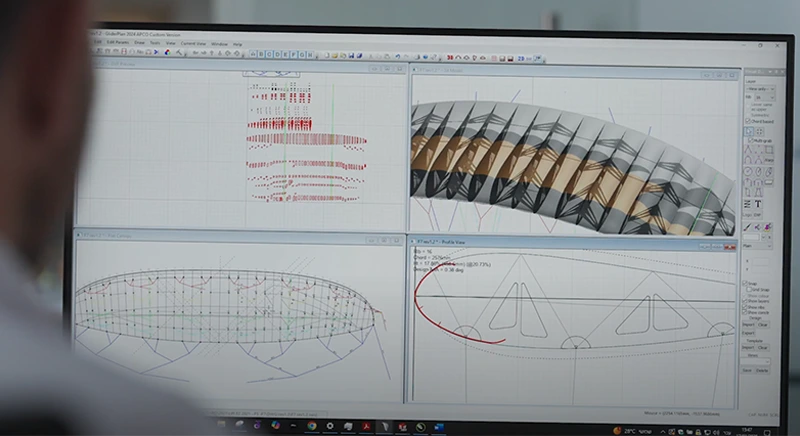
Screen with several design views of a ram-air canopy: cells, line plan and profile section
03

Creating a prototype

Following Critical Design Review (CDR) approval, prototype fabrication begins. In-house vertical production capabilities transform the approved design into a physical, functional unit.

The process includes:

  • Preparing detailed manufacturing plans and work instructions based on the final design.
  • Selecting and verifying all MIL-SPEC and EN-certified materials prior to assembly.
  • Testing fabrics, webbings, lines and hardware to confirm strength, porosity and dimensional stability.
  • Producing the prototype using precision laser cutting, stitching, automated pattern stitching where applicable, and assembly techniques refined over decades in parachute and inflatable system manufacturing.
  • Ensuring all measurements, tolerances and assembly steps match the approved CDR specifications.
  • Conducting a First Article Inspection (FAI) in cooperation with the customer.

The objective is a prototype that fully matches the final design intent, ready to proceed into the dedicated testing phase of the development cycle.

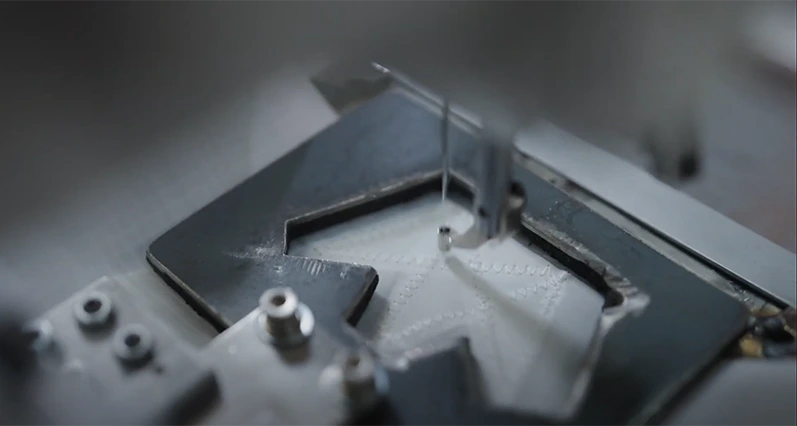
Close-up of an automated sewing machine stitching fabric held in a metal template
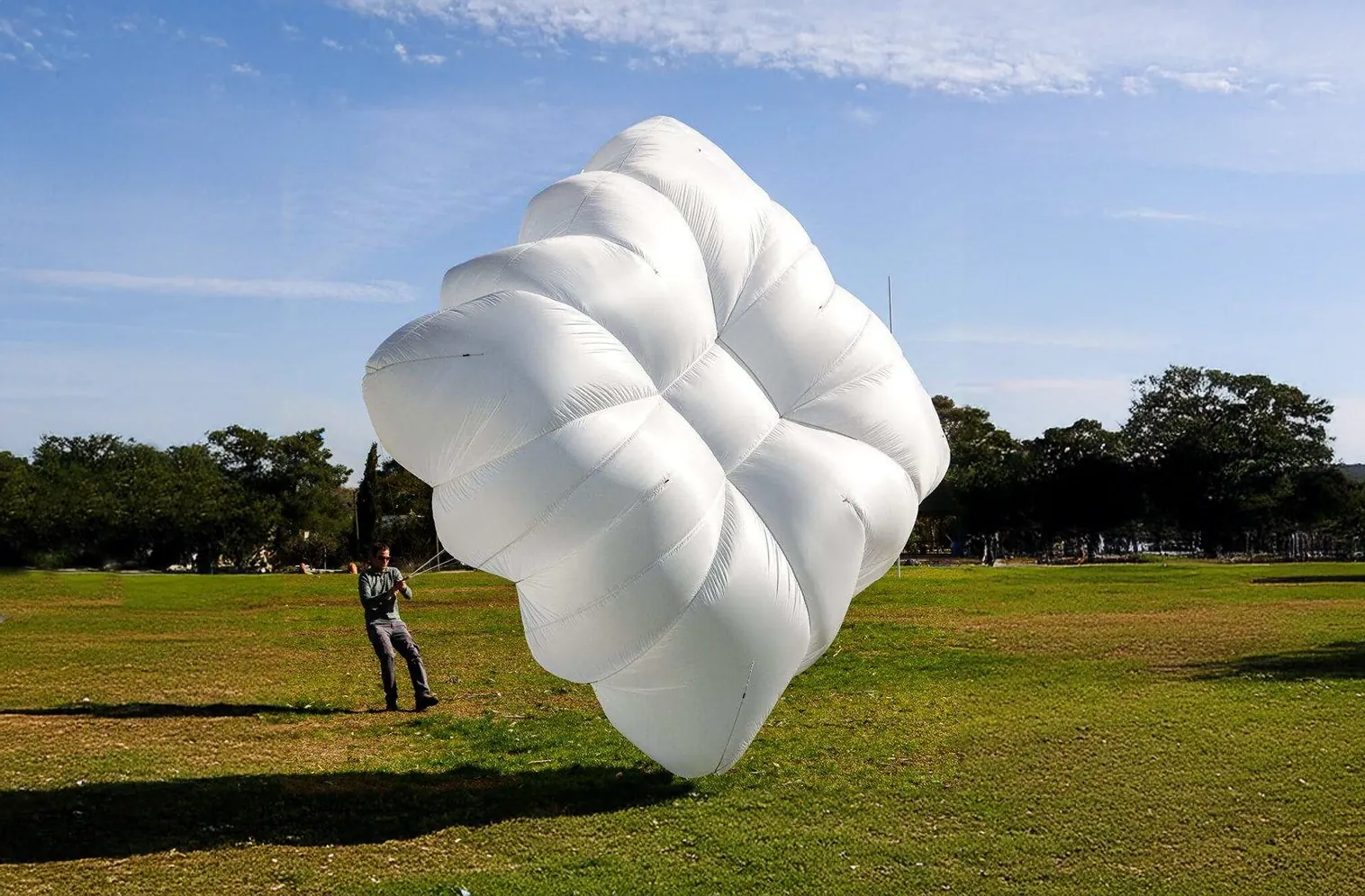
White square parachute canopy being inflated on the ground by one person on a meadow
04

Testing and validation

After a prototype is complete, a structured testing and validation process ensures the system meets all operational and safety requirements. It is conducted in full cooperation with the customer, aligning each step with mission objectives and certification needs.

It follows the Parachute Deployment Sequence (PDS) methodology, progressing from controlled ground evaluations to full-scale airborne testing.

Stage 1 – Initial deployment and material verification

Controlled tests to gather baseline performance data:

  • Drop tower tests: measuring canopy inflation time, opening characteristics and line tension.
  • Vehicle deployment tests: simulating real-world deployments to assess opening shock and initial performance.

Stage 2 – Intermediate drop testing

Once baseline results are confirmed, aerial drop testing follows, based on system weight and mission profile:

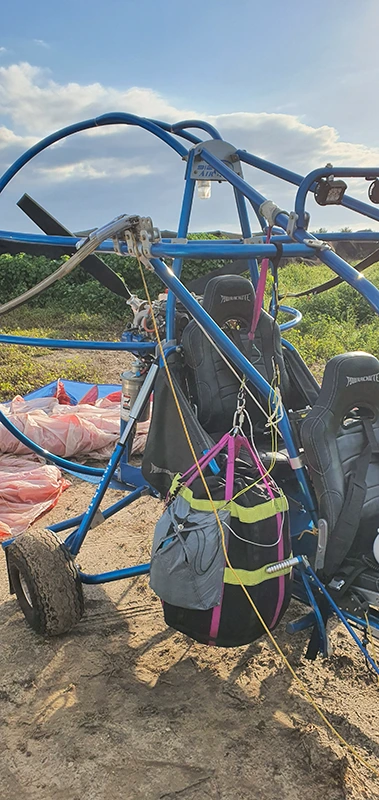
  • PPC (Powered Parachute) drops for payloads up to 140 kg: assessing deployment sequence, opening loads, glide behaviour and landing accuracy.

Stage 3 – Heavy payload and high-speed testing

For payloads above 140 kg:

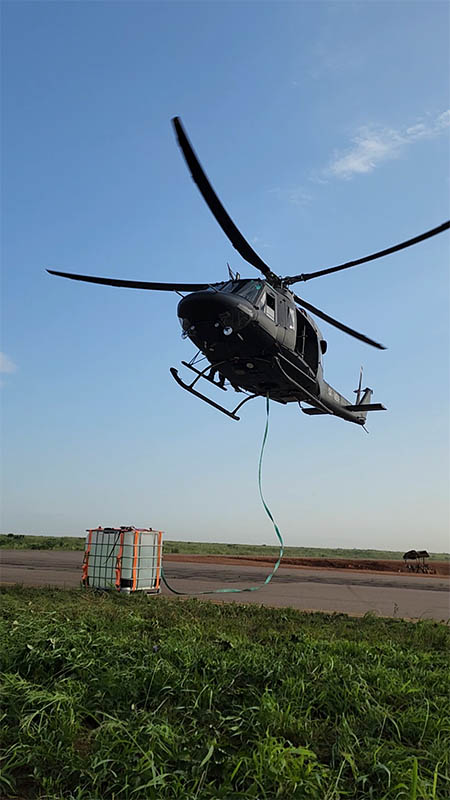
  • Helicopter drop tests supporting up to 1,000 kg payloads and speeds up to 130 knots: validating deployment stability and structural integrity under demanding conditions.

Stage 4 – Extreme load and specialised missions

For systems beyond helicopter capacity:

  • Sky Vans and similar aircraft: mid- to heavy-load testing in complex mission scenarios.
  • C-130 and equivalent platforms: extremely heavy payloads, high-speed deployments and advanced operational testing.

Post-test analysis and continuous improvement

After each test the results are examined and analysed in full. A detailed test report is provided to the customer, including all measured values and aerodynamic parameters; for ram-air canopies this includes minimum and maximum speed, glide ratio, brake and steering loads, and additional performance data. The review identifies whether any changes are required in the prototype design, leading to the next iteration, a revised configuration or an improved version over the original concept.

Testing and validation goals

  • Confirm deployment timing and reliability.
  • Control and measure opening shock forces.
  • Verify descent rate, glide path, landing accuracy and manoeuvrability (including turning radius).
  • Measure performance specifics for ram-air canopies, including speed range, glide ratio and control input loads.
  • Validate load distribution and structural performance.
  • Ensure readiness for operational deployment.

Blue paratrike frame with a parachute container attached to it, a canopy laid out on the field beside it
Helicopter hovering over an airfield, a strap running down to a load in a cage container on the ground
05

Production and serial manufacturing

After successful completion of testing and validation and formal customer approval of the prototype, full-scale serial production begins.

The in-house, fully vertical production facility is designed to deliver mission-ready parachutes, recovery systems, inflatables and custom textile products with the highest standards of quality and traceability. It handles both small and large production runs, offering flexible lead times and scalable output for urgent operational needs or long-term supply programmes.

Full vertical manufacturing

Every stage of production — from raw material preparation to final assembly — is completed under one roof. This ensures:

  • Full backwards traceability: every component, subassembly and material can be traced back to its production batch and individual serial number.
  • Controlled quality at every stage: embedded quality-control checkpoints are built into each manufacturing phase.
  • Rapid production response: immediate adjustments or updates can be implemented without supply-chain delays.

Integrated quality control

  • Incoming material inspection: verifying all MIL-SPEC or EN-certified components before they enter production.
  • In-process quality checks: monitoring dimensions, tolerances and workmanship at each assembly stage.
  • Final inspection: every product undergoes a comprehensive review before approval.
  • Final COC issuance: a Certificate of Conformance is issued for each completed unit, tied to its unique serial number.

Certified and compliant

  • Fully ISO 9001 certified facility.
  • Capability to integrate additional certifications (e.g. NATO AQAP, AS9100 or other standards) upon customer request.
  • Compliance with export regulations and industry-specific requirements.

From a single production run to high-volume manufacturing, the vertical production line ensures precision, repeatability and mission reliability for every product leaving the facility.

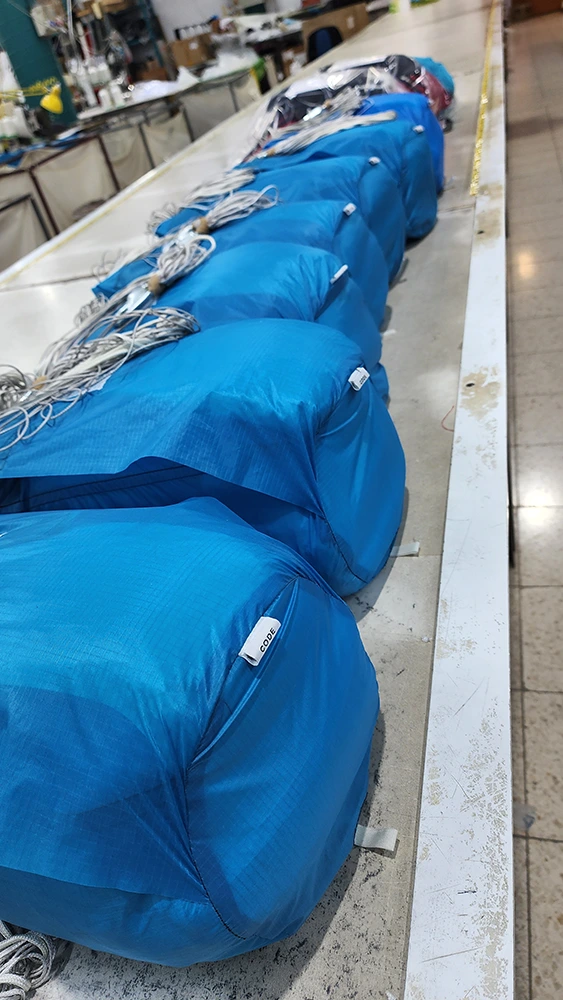
Row of packed blue parachutes with bundled lines on a long packing table in production
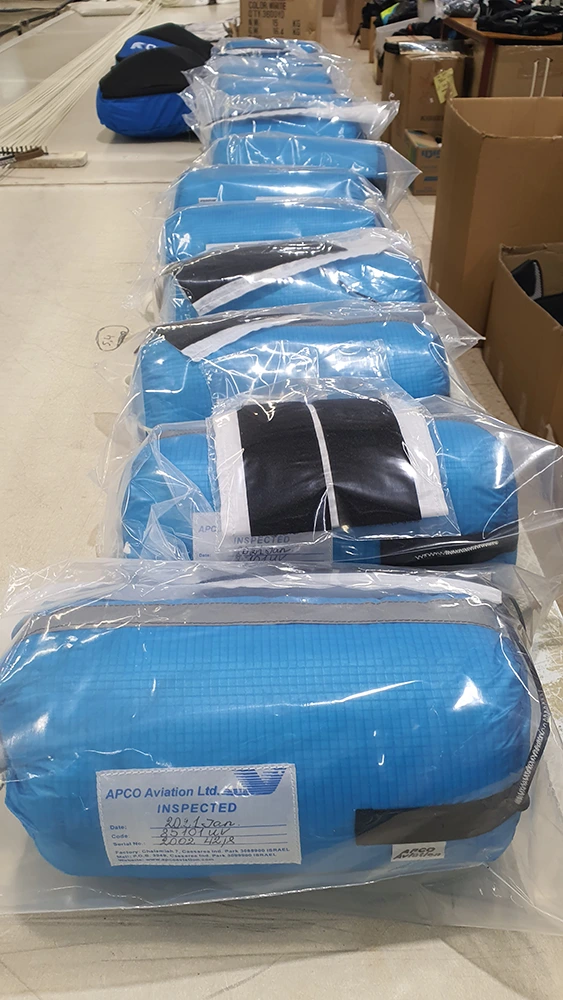
Packed blue parachutes in protective film, each with an “Inspected” label showing date, code and serial number
06

After-sales support and lifecycle services

The commitment to the customer does not end when the product leaves the facility. Comprehensive after-sales support is there to ensure parachutes, recovery systems, inflatables and custom textile products perform flawlessly throughout their service life.

Comprehensive documentation

  • Full user manuals: step-by-step guidance on operation, deployment and storage.
  • Maintenance and inspection guidelines: clear schedules and procedures to ensure continued reliability.
  • Storage instructions: best practices for environmental control, folding and long-term packing to preserve material integrity.
  • Periodical repacking procedures: recommended timelines and processes to maintain deployment readiness.
  • Complete production file: detailed technical documentation, drawings and specifications for each serial-numbered product.

Training and skill transfer

  • On-site training at APCO’s headquarters in Israel: hands-on sessions with engineers and production specialists.
  • Customer site training: worldwide deployment of the training team for operational and maintenance instruction.
  • Repair and maintenance courses: tailored to your team’s skill level and operational needs.

Repair, maintenance and upgrades

  • In-house repair services: conducted by trained technicians using certified materials.
  • Field maintenance support: on-demand technical assistance for deployed systems.
  • Upgrades and modifications: adjusting systems for evolving mission requirements.

Product lifecycle support

  • Lifecycle planning: estimating operational lifespan based on mission type, usage frequency and environmental factors.
  • End-of-life assessment: inspection and documentation to determine when systems should be retired or replaced.
  • Lifecycle extension programmes: refurbishment, part replacement and upgrades to extend service life.

Custom support solutions

Each customer has unique operational requirements. Tailored after-sales solutions are available on special request, including:

  • Additional certification or compliance support.
  • Integration assistance with other systems.
  • Extended service contracts for long-term programmes.

From first use to end of life, APCO ensures the systems remain mission-ready, safe and reliable — backed by over 50 years of aerodynamic and textile engineering expertise.

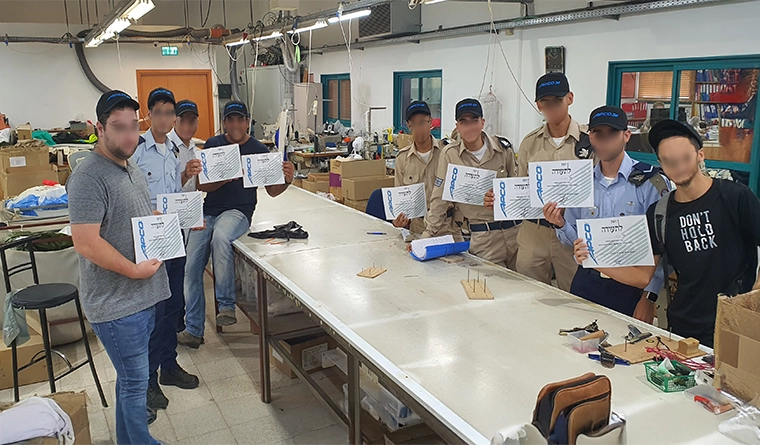
Packing training course for air force personnel: participants holding certificates in the workshop, faces blurred
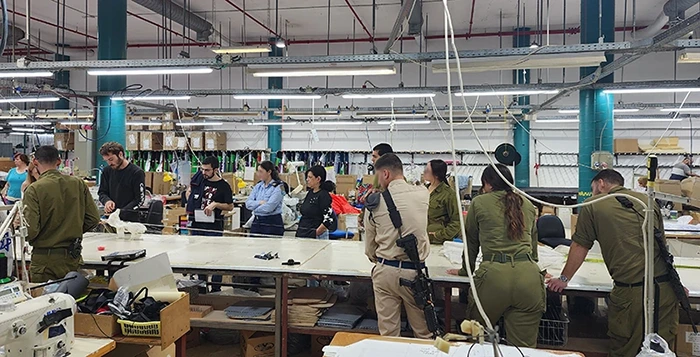
Uniformed participants of a training session at work tables in the production hall
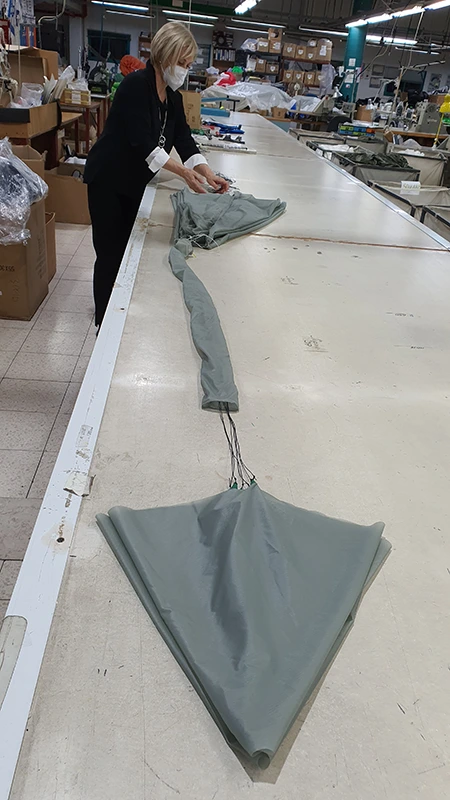
Staff member laying out a grey-green parachute canopy on a long packing table
Frequently asked

How the work actually runs.

How does a project run?

In six phases: define, design, prototyping, testing, production and after sale. Every phase produces a distinct result the next one builds on — from the agreed system requirement through the testable prototype and the evidence package to production release. That keeps it traceable what has already been proven.

Can we join partway through the cycle?

Yes. Where a phase is already complete, that is where we join. If the requirement and the sizing already exist, work starts at prototyping or at test. No phase gets skipped — where a result is missing it gets produced before the next stage can carry any weight.

What happens after delivery?

After sale is the sixth phase, not an add-on. It covers manuals, training for operators and packers, repair, repacking service and spares supply across the service life. Technical involvement continues after delivery: it keeps the system ready for operation, protects critical assets and supports mission continuity.

Who carries out development and testing?

APCO itself. Development, prototype build, deployment tests, ground and air drops and the analysis are all carried out in-house, as are qualification and certificates. The evidence is documented and can be mapped to the requirements of a procurement item by item, rather than appearing only as an overall result.

How are parachute systems tested?

Following the Parachute Deployment Sequence (PDS) methodology in four stages: first drop tower and vehicle deployment tests, then PPC drops for payloads up to 140 kg, then helicopter drops supporting up to 1,000 kg and speeds up to 130 knots. Systems beyond helicopter capacity move to Sky Vans and similar aircraft, and to C-130 and equivalent platforms.

Which standards does production follow?

The production facility is fully ISO 9001 certified, and additional certifications such as NATO AQAP or AS9100 can be integrated upon customer request. Materials are MIL-SPEC or EN certified and verified at incoming inspection. A Certificate of Conformance is issued for each completed unit, tied to its unique serial number.

Bring the hard requirement.

Talk to engineering