Solutions · engineered to requirement

Systems that perform
when conditions don't.

Five system families, not a ranking. What matters is the platform being carried and the environment the system has to deploy into.

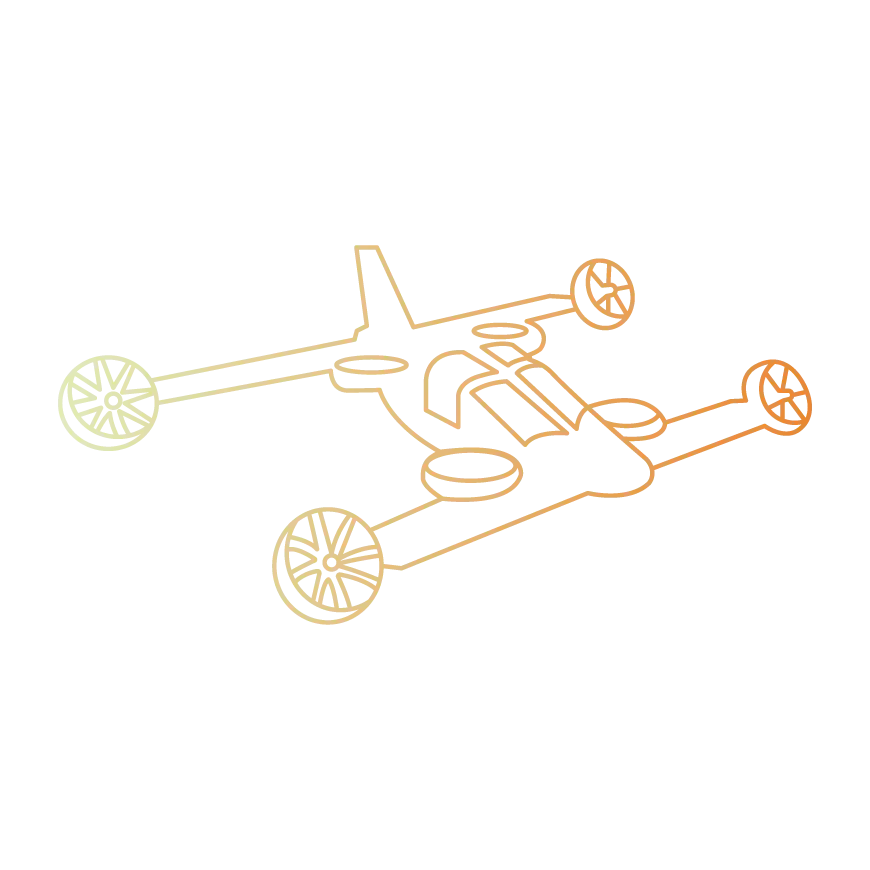
Technical drawing of a parachute-recovered VTOL aircraft

VTOL recovery

Recovery and flight safety systems for unmanned and crewed aircraft, sized around the deployment altitude and impact energy of the specific platform.

Platforms
VTOL recoveryFixed-wing UAVHelicopter & UAV engineering
Environments
Rough terrainLow air density
Technical drawing of a cargo parachute carrying a released load

JPADS & cargo

Precision aerial delivery, cargo parachutes and deceleration systems for guided and non-guided loads across the full payload range.

Platforms
JPADSCargo delivery · non-guidedH.A.L.O. platforms
Environments
Rough terrainAmphibious recovery
Technical drawing of a steerable ram-air parachute

Ram-air systems

Guided, controllable textile systems for delivery and recovery when the release point sits a long way from the target point.

Platforms
H.A.H.O. platformsH.A.L.O. platformsParamotor · foot launchParatrike
Environments
Low air densityRough terrain
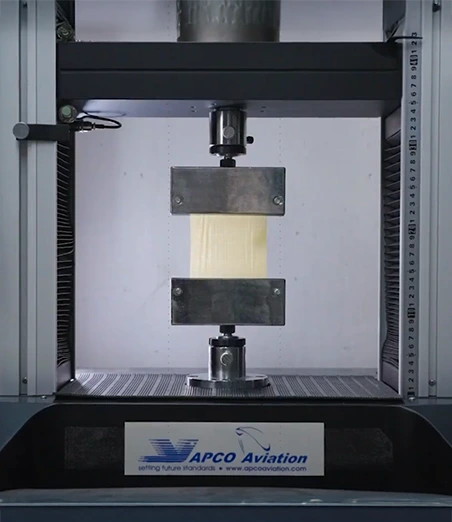
Material test of a military-grade protective textile assembly

Ballistic protection

Protective textile assemblies developed around the specific threat and the platform they are integrated into.

Platforms
Helicopter & UAV engineeringVTOL recovery
Environments
Fire and heat resistanceChemical fumes
Technical drawing of an inflatable landing pad

Custom textile systems

Specialized engineering for inflatables, landing pads and release architectures when a standard product does not cover the requirement.

Platforms
High-velocity decelerationFixed-wing UAVMulti-rotor
Environments
Underwater / high-density fluidsSupersonic recoveryAmphibious recovery

The range extends from lightweight tactical gear to heavy-duty military recovery systems. Every solution category has its own page, organised by products (such as ground landing crash pads, human-rated certification, release mechanisms, UAV airbags and gliding parachutes), platforms (such as helicopter UAVs, non-guided cargo delivery, H.A.L.O. platforms and fixed-wing UAVs) and environments (such as chemical fumes and amphibious recovery). Supersonic regimes are covered on high-velocity deceleration, low air density at altitude on H.A.H.O. and H.A.L.O.

Frequently asked

What gets settled before the choice.

Which recovery system suits which platform?

The choice follows the platform, not the catalogue. Fixed-wing UAVs and VTOL aircraft are usually recovered by round canopy or airbag, cargo loads by deceleration and cargo parachutes, precise delivery by steerable ram-air systems. What decides it is payload, deployment envelope, impact energy and the environment at the landing point. Sizing therefore starts with the mission profile.

What payload range do the systems cover?

From mini drones of roughly one kilogram up to UAV and cargo payloads above 1,000 kilograms. Suitability is not decided by weight alone, but by the combination of payload, deployment speed, permissible sink rate and the space available in the parachute compartment. Those figures belong in the first technical conversation.

What separates steerable from non-guided systems?

Non-guided systems bring the load down under control, and the release point largely determines where it lands. Steerable ram-air systems fly a distance instead and can actively track a target point. The cost is greater complexity, more installed volume and considerably more effort in qualification and training.

What is a recovery system sized around?

Five quantities: platform and payload, deployment envelope including speed and altitude, permissible impact energy at the ground, available installation space, and the operating environment. Rough terrain, water, low air density or heat lead to different systems at otherwise identical payload. The environment therefore comes first, not last.

Which canopy shapes and recovery types are available for UAVs?

The range covers everything from precision steerable ram-air parachutes to square, cruciform and round canopies, complemented by inflatable airbags for sensitive or high-value UAVs. That makes for end-to-end UAV recovery solutions. Every system is engineered to match the platform mission profile, ensuring safe landings, reduced damage and maximum payload protection.

Are systems tailored to specific missions?

Yes. The focus is mission-driven engineering: whether a system is needed for high-speed missile recovery, low-altitude VTOL air taxi safety or large-scale military cargo drops, it is built to the exact requirements. The result is a reliable, tailored solution that integrates seamlessly with the platform it serves.

Are ballistic recovery systems available for VTOL and air taxis?

Yes. Ballistic deployment systems are designed for ultra-fast, low-altitude emergencies and to meet the highest safety standards for human-rated certification. For passenger-carrying VTOLs, EASA SC-VTOL-01 and the FAA emphasise controlled emergency landing: steerable or guided systems are favoured there, and non-steerable ballistic systems may be considered inadequate.

Tell us what the system has to do.

Define a project