
Documentation
Documentation keeps the technical information attached to the physical system — its configuration and the function it was developed to perform.
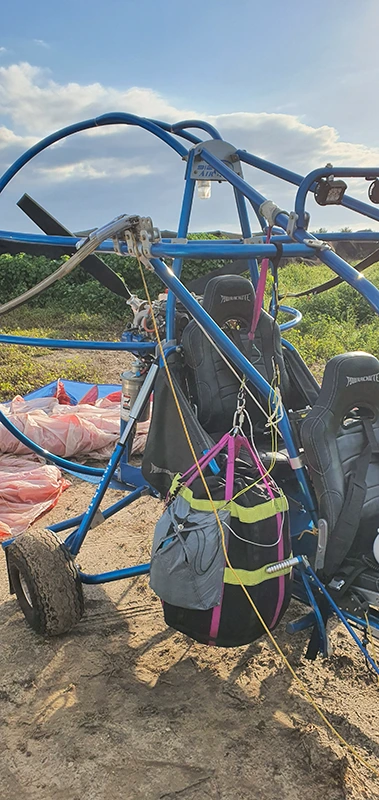
What gets documented
The manufacturer prepares technical documentation connected to a developed or supplied solution and the information required for the relevant project stage. The exact documentation package is defined by the physical system, the project stage and the applicable technical requirements.
Recorded is what is needed to understand, evaluate, produce and support the system:
- System purpose and approved configuration.
- Materials, components, dimensions and interfaces.
- Textile construction and assembly requirements.
- Packaging, folding, storage and handling information.
- Deployment and integration requirements.
- Prototype configurations and development decisions.
- Testing and validation findings, production and quality-control requirements.
- Material, production and product traceability, serial-number records where applicable, and certification, acceptance or compliance information.
- Technical information required for delivery.
How it is produced
First the information required for the relevant project stage is identified. Then it is tied to the actual system — configuration, materials, interfaces, deployment requirements, intended function. Next it is prepared for the stage it must support: development, testing, production, delivery. Finally continuity is maintained so records and approved system cannot drift apart.
Further technical review may be required when the system, operating conditions or intended function have changed.
What your team receives
Your team receives the technical information required to understand the solution and move it into the next stage. This includes:
- A clear record of the physical system.
- Defined configuration and interface information.
- Production and quality-control information.
- Traceability connected to the manufactured system.
- Clearer transfer between engineering, testing, quality and production teams.
- Information supporting delivery and future technical decisions.
- A basis for identifying when further testing or review is required.
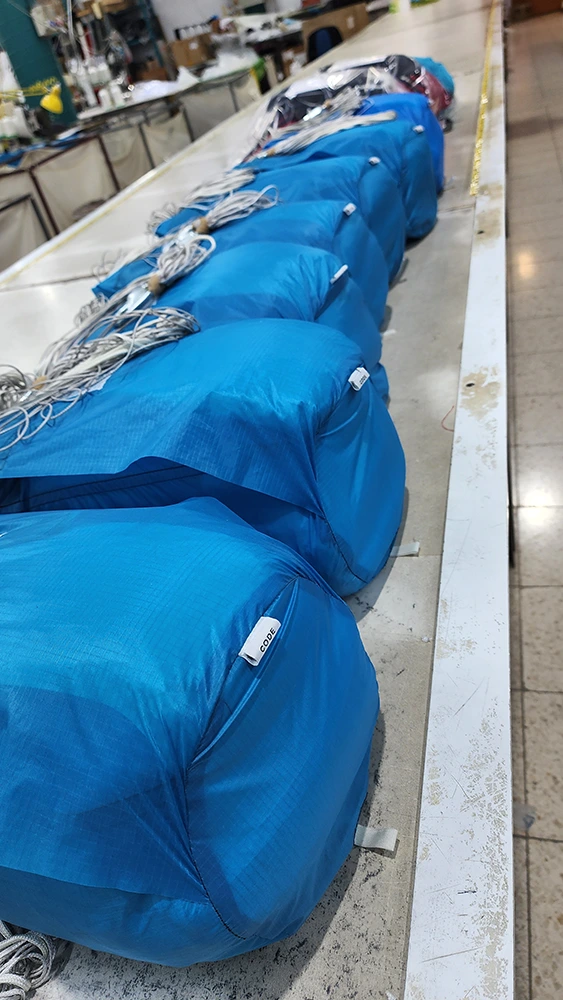
Why APCO
The manufacturer develops defense textile solutions for recovery and protection across defense, aerospace and unmanned systems. Because it works across development, testing and production, its documentation remains connected to the physical solution rather than being treated as separate administrative information. A 3,200 m² production facility supports the connection between the approved configuration, manufacturing activity, quality control and technical records.
- Phase
- Production
- Standards
- ISO / ASNIST 800-171
Technical data per manufacturer documentation from APCO Aviation Ltd , as of 2026-09-22.