
Training for local manufacturing
Where production has to happen locally, drawings are not enough: the manufacturer needs the production knowledge behind the solution.
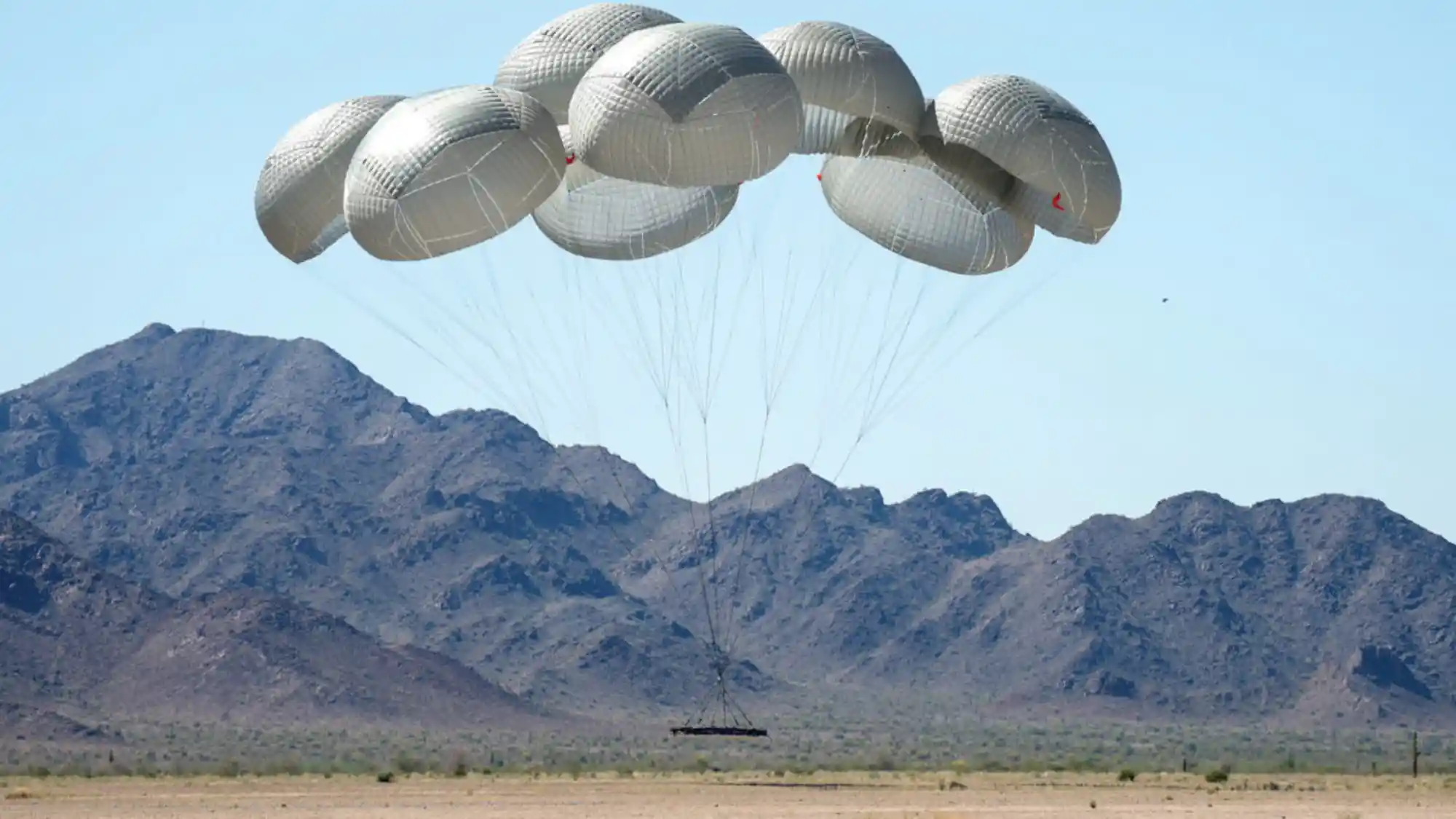
When this becomes a requirement
Local manufacturing is sometimes a project requirement rather than the preferred route. Regulatory limitations, country requirements, supply-chain conditions or an approved local partner may mean the solution is produced outside the manufacturer’s facility. The approved construction, quality and intended performance still have to be preserved.
Scope is settled first
Defined are the solution being transferred, the function it must support, the manufacturing activities included, the technical information required, the responsibilities of each party and the stages that require review or approval.
What the package contains
Depending on the project it includes:
- Bill of materials, technical drawings, material and product specifications.
- Raw-material supplier information.
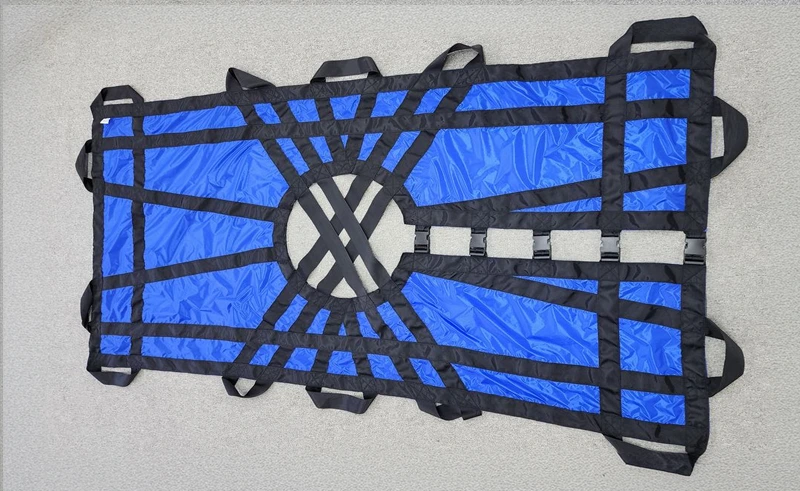
- Stitching samples and definitions, assembly instructions.
- Folding and packing guidance, handling and storage requirements.
- Quality-assurance steps, production checkpoints and sample production requirements.
- Technical escalation procedures.
Why the explanation is part of it
The package is supported by practical explanation of the production logic. The receiving manufacturer should know not only what to do but why the solution is built that way — otherwise design intent and performance are lost at the first deviation.
This helps the receiving manufacturer understand how specific manufacturing decisions affect deployment, recovery, protection, containment, platform integration, packing volume, weight and reliability. Where included within the project scope, the manufacturer can also provide remote guidance, respond to technical questions, review production samples or provide on-site implementation support.
Managing questions, changes and deviations
Local production can introduce questions related to available materials, suppliers, machinery and manufacturing processes. Some changes may have little effect on the final system; others can alter its construction, integration or performance.
It is therefore defined which decisions the local manufacturer can make independently and which require further technical review. Proposed changes to materials, suppliers, stitching, geometry, configuration, packing, assembly or quality procedures may need to be assessed before they are introduced. Where a change affects the approved solution, additional prototype work, testing or validation may also be required. This creates a clear route for managing questions and deviations without allowing uncontrolled production changes.
How training and skill transfer works
The transfer is organised in five steps:
- 1. Define the local manufacturing scope.
- 2. Prepare the production package.
- 3. Transfer the production logic.
- 4. Support implementation.
- 5. Define review boundaries.
What your team gets
Your team receives a defined and supported route for moving the textile solution into local manufacturing — a more controlled transition from the developed solution to the required manufacturing route. Depending on the agreed scope, this can provide:
- A clear transfer plan.
- A complete production information package.
- Practical guidance for the receiving manufacturer.
- Defined responsibilities and review boundaries.
- A process for technical questions and proposed changes.
- Support during initial implementation where agreed.
- A clearer basis for evaluating locally produced samples.
Why APCO
The manufacturer develops defense textile solutions for recovery and protection across defense, aerospace and unmanned systems: UAV recovery systems, parachutes, airbags, deceleration mechanisms, deployment bags, ballistic and capture nets, precision airdrop systems and custom textile-based applications.
Because it works across requirements, prototype development, testing, manufacturing and quality control, it understands the complete path from technical direction to physical production. That allows it to identify the information the receiving manufacturer needs, explain the critical production details and establish clear boundaries for technical review. Support is adapted to the needs of the project and remains connected to your team throughout the transfer.
- Phase
- Production
- Compliance
- Offset programmesITAR & EAR
Technical data per manufacturer documentation from APCO Aviation Ltd , as of 2026-09-22.