
Aerodynamic performance
The glide performance of a recovery system decides range, release point and landing accuracy — and it comes from sport aviation.
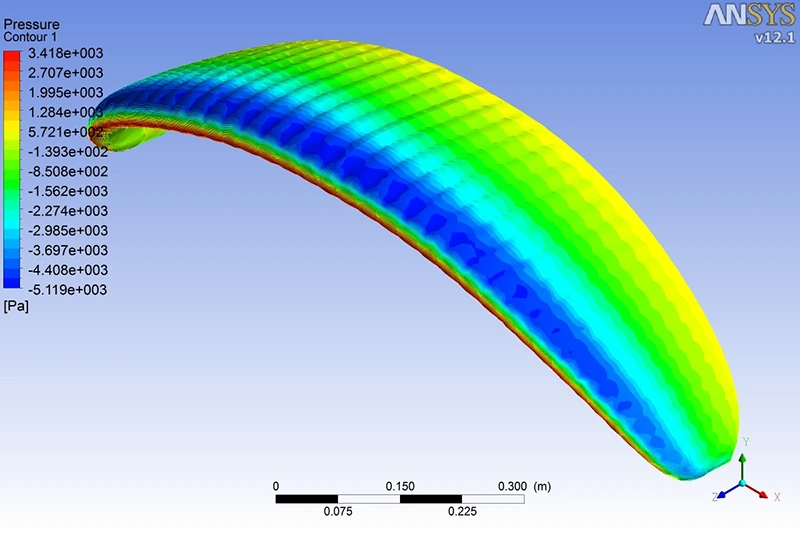
Where the design comes from
With over five decades of experience designing world-record-setting paragliders, APCO brings deep expertise in airfoil dynamics, canopy behaviour and flight control to its ram-air parachute systems. This legacy gives the defense-grade solutions a performance advantage that is proven in both testing and real-world operations.
Work on competition paragliders and ultralight aviation shapes how the recovery systems are engineered: decades of balancing glide efficiency, stability and responsive handling feed into airfoil design, canopy behaviour and flight control.
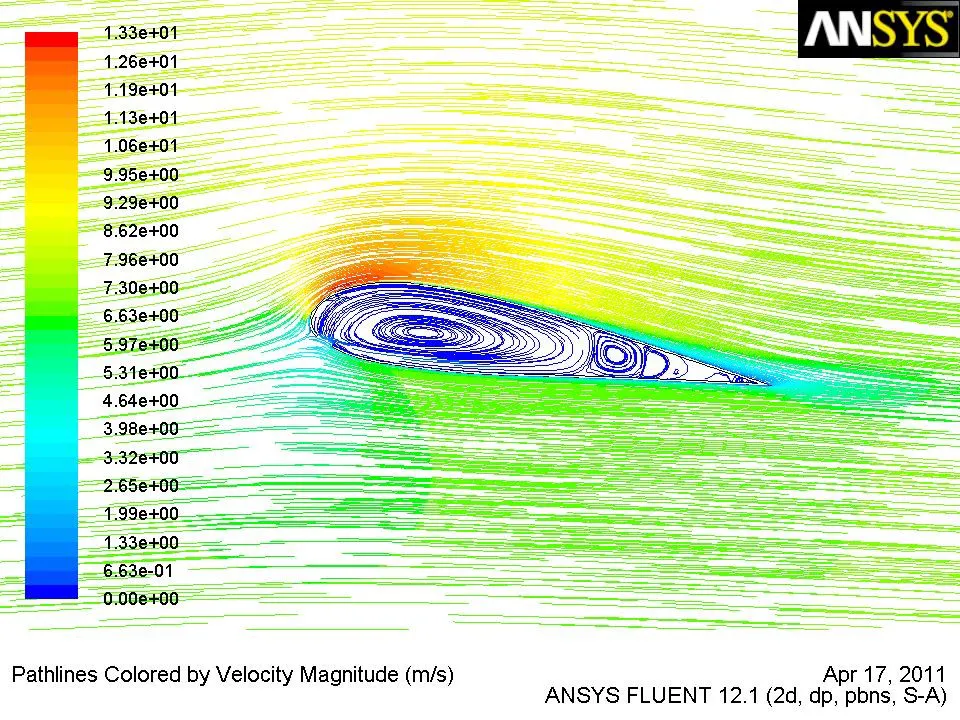
What sets the ram-air systems apart
The ram-air parachute systems are engineered for maximum glide, precise manoeuvrability and dependable deployment under the most demanding conditions. Six properties matter operationally:
- Glide efficiency: glide ratios of up to 10:1 allow long-range recoveries, offset drops and controlled landings — from high altitude or in rapid-deployment scenarios.
- Powered systems: paramotor development brings extended flight time and mission flexibility for autonomous and crewed systems.
- Reflex airfoils: maintain stability at high speed and under varied loading conditions, suited to dynamic environments and fast-response operations.
- Tuned for precision: agile steering and predictable glide paths help minimise drift, improve landing accuracy and reduce recovery time.
- Shock-managed deployment: advanced sliders and reefing systems minimise opening shock at high deployment speeds, protecting payload and canopy.
- Descent stability: smooth, low-pendulum descent improves payload survivability and data collection.
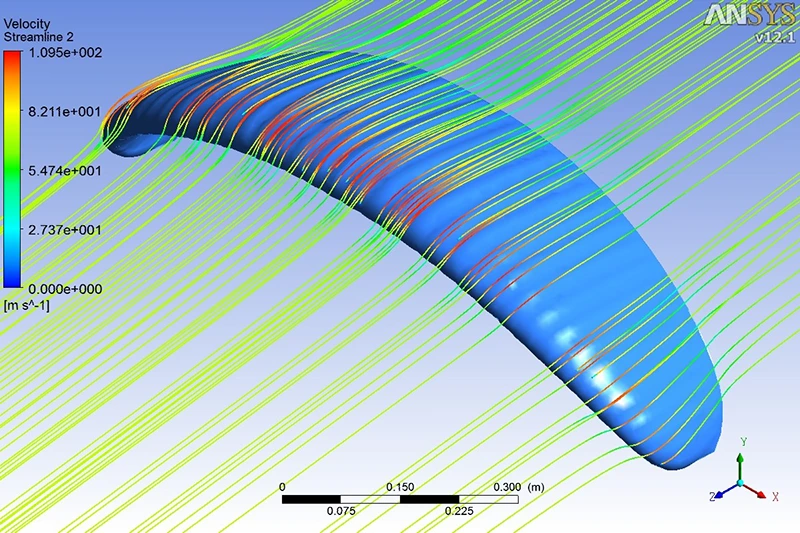
Why precision depends on it
Systems designed for agile steering and predictable glide paths minimise drift, improve landing accuracy and reduce recovery time. Glide performance is therefore not just a figure but the lever that makes a stand-off release possible at all.
Proven by defense leaders worldwide
The experience from competition paragliding and ultralight aviation now serves critical defense and UAV applications.
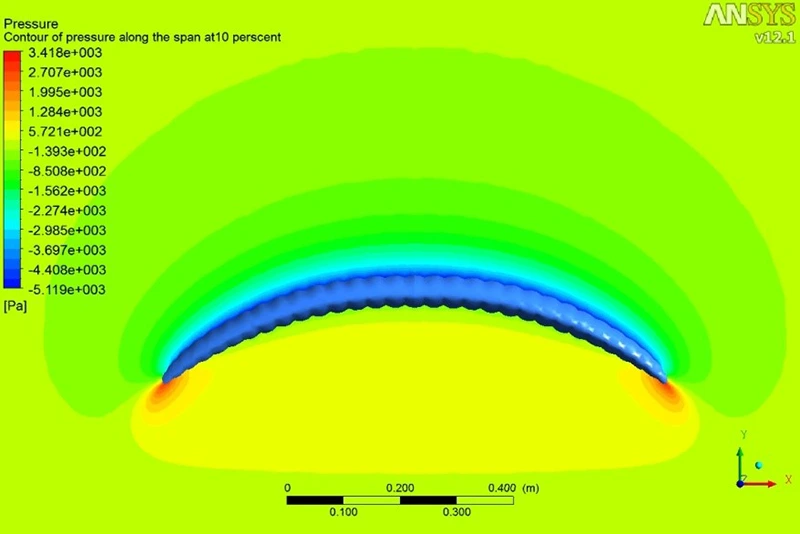
- Applies to
- Ram-air parachutesGliding parachutes
- Platforms
- JPADSH.A.H.O. platformsParamotor · foot launch
Technical data per manufacturer documentation from APCO Aviation Ltd , as of 2026-09-22.