
Materials and components
Fabrics, lines and reinforcement tapes are not picked from a catalogue but by deployment speed, payload class, environmental exposure and safety margin.
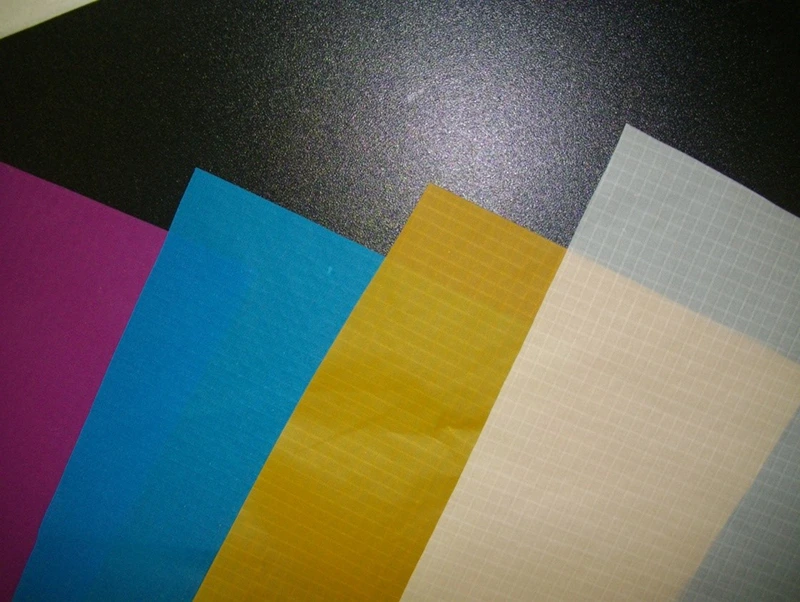
Materials for textile aerospace components
Published 29 July 2025.
Materials are developed and sourced specifically for parachute systems, cargo drop recovery, inflatable decelerators and other critical textile-based aerospace components. The specialty is delivering lightweight, low-bulk and low-volume solutions that meet or exceed the rigorous demands of today’s defense and UAV markets.
Fabrics
The range runs from ultra-light materials at 10 g/m² to heavy-duty Nylon 6.6 and high-strength Dyneema HMPE for lightweight, high-shock applications:
- Low-porosity coated fabrics, co-developed with global suppliers for specific mission needs.
- High-tenacity Nylon 6.6 — the industry standard for parachutes and decelerators.
- Kevlar-based textiles for high-temperature and fire-resistant requirements.
- Polyester for UV resistance and marine or corrosive environments.
- Non-woven composites for advanced inflatables and special aerospace projects.
- Cotton liners and sleeves to reduce friction in reefing, sliders and containment zones.
- Dyneema HMPE weaves for ultra-high tensile and tear strength in minimal weight and volume.
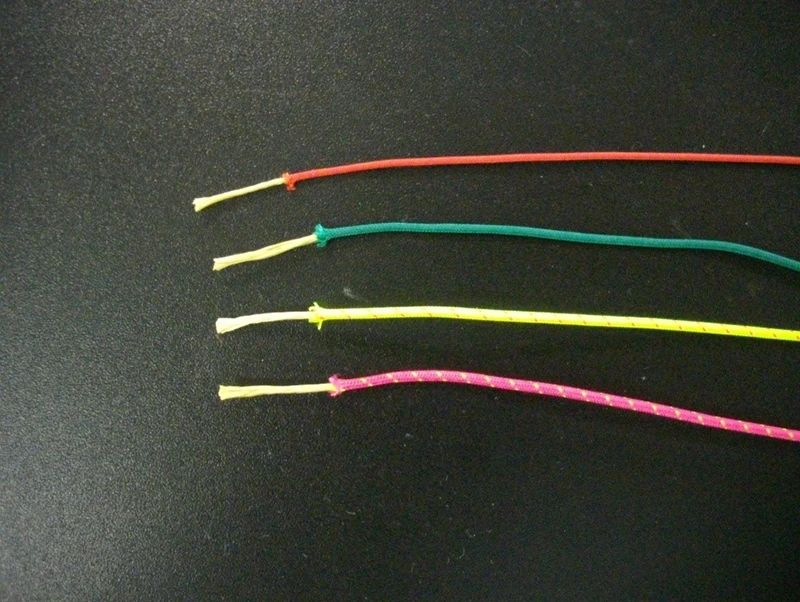
Lines
Lines are produced from 50 kg to over 10,000 kg breaking strength, built from aerospace-grade fibres in twisted, woven or braided constructions. Dyneema (UHMWPE) is lighter than Kevlar and stronger than steel by weight, with excellent durability, low stretch and the option of pre-stretching against creep — the choice for steerable parachutes and high-precision recovery. Kevlar (aramid) has zero stretch and high dimensional stability, is heavier than Dyneema but right where rigid geometry and heat resistance matter. Nylon 6.6 is the staple: controlled stretch absorbs opening shock but yields thicker, heavier lines for the same rating.
All line types are stitched or spliced to integrate with risers, canopies or hardware systems, and are selected based on dynamic load response and packaging requirements.
Tapes and reinforcement
Reinforcement tapes provide critical structure to parachutes, cargo decelerators and inflatables, especially during high-speed deployments and high-load transitions. Proper design and placement directly impact opening performance and structural longevity. These tapes are:
- typically woven from high-tenacity nylon fibres,
- engineered in varying widths, stretch rates and strengths,
- used to reinforce canopy stress points and anchor line attachments,
- integral to the overall load distribution and canopy integrity.
Mission-driven material selection
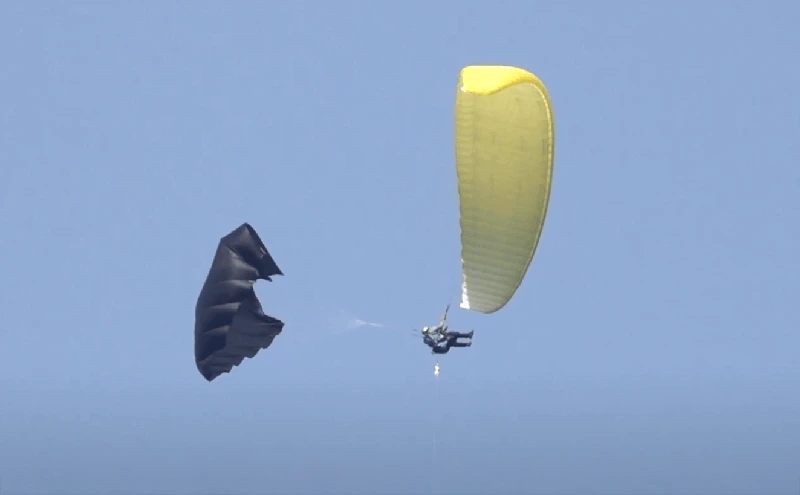
From high-speed UAV recoveries and VTOL inflatables to low-altitude cargo drops and ram-air parachutes, every textile component is chosen for performance under pressure. With over 50 years of experience, APCO builds systems that combine low volume, minimal weight and battlefield reliability.
- Materials
- Nylon 6.6KevlarDyneemaPolyester
- Applies to
- Deceleration parachutesRam-air parachutesInflatables & landing pads
Technical data per manufacturer documentation from APCO Aviation Ltd , as of 2026-09-22.