
Qualification and traceability
Quality is not created at final inspection. It rests on every step from raw material to shipping being demonstrable.
Certified and battle-proven
APCO Aviation Defense delivers certified, battle-proven parachutes and textile recovery systems for defense, aerospace and dual-use applications worldwide. An end-to-end quality assurance process and strict compliance with global military standards ensure reliability in the most demanding operational environments.
Quality is not an afterthought – it is built into every layer. From the moment raw materials enter the facility to the moment a completed system is shipped out, every step is certified, traceable and proven. The products are trusted by some of the world’s most demanding defense programs because they go beyond meeting military standards and set new benchmarks for reliability and performance.
Material with evidence
The manufacturer works exclusively with Western suppliers to ensure consistent quality and full traceability. All materials — fabrics, webbing, hardware and more — arrive with Certificates of Conformity (COC) and meet or exceed MIL-SPEC requirements. Production is fully vertically integrated and ISO 9001-certified: from precision laser cutting through stitching and assembly to final inspection, all under one roof.
This integrated approach makes it possible to maintain total quality control, reduce lead times and deliver rapid, compliant solutions for defense and aerospace industries, even under tight delivery schedules.
Four levels of traceability
Every product carries a unique serial number linked directly to a specific production batch. Traceability is organised on four levels:
- Personnel: every manufacturing stage is recorded, signed and stamped by the responsible technician.
- Material: fabrics, lines, tapes and hardware are tracked from the supplier’s certification through final assembly.
- Operational: detailed records identify every process, machine and operator involved.
- In-field: rapid identification and isolation of any affected units already deployed.
Measured, not estimated
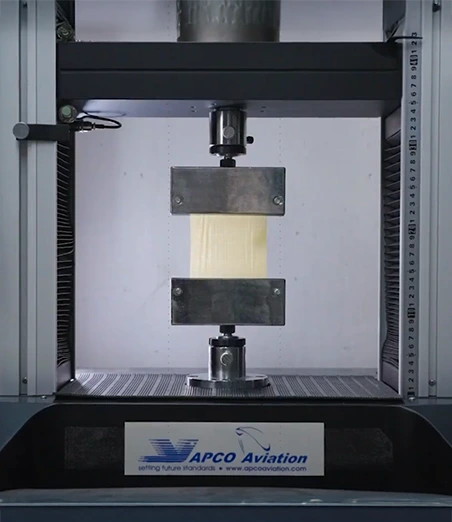
Suspension lines are measured with computerised laser systems for exact length and tolerance; the full tolerance report is digitally logged and registered under the product’s serial number. That is complemented by in-house material testing. This setup ensures all materials meet strict compliance before and after production:
- Universal Testing Machine (UTM) for tensile strength and load capacity.
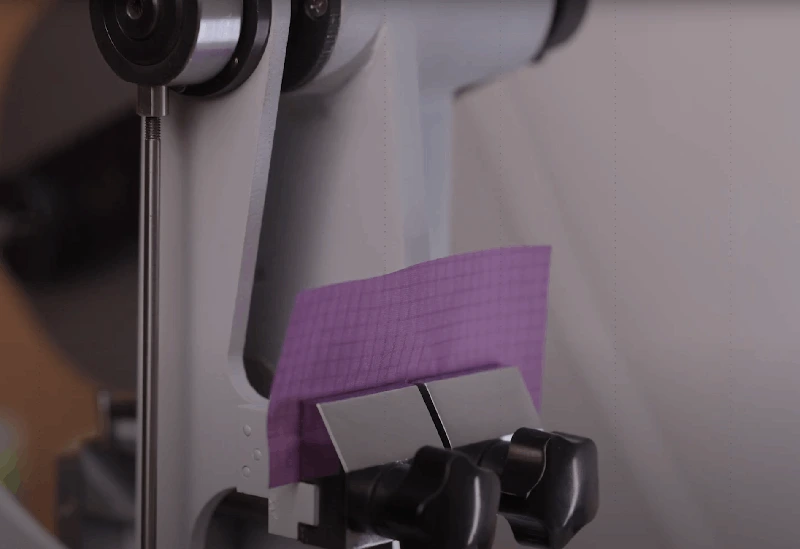
- Elmendorf Tear Tester for fabric tear resistance.
- Beatzometer for fabric density and weave uniformity.
- Porosity and air permeability testers.
Precision laser cutting
All fabric panels are cut using high-precision laser machines to guarantee exact dimensions, seal edges to prevent fraying and enhance strength.
Environmental testing
When required, accredited external labs conduct environmental durability tests, including extreme temperature cycles, high humidity, UV exposure, fuel fumes and toxic chemical resistance – ensuring field performance in harsh conditions.
Human-rated and EN-certified systems
EN 12491 is the European Norm for emergency reserve parachutes, ensuring canopy strength, opening reliability and descent rate within safe limits for human use. LTF is the German airworthiness standard, which verifies compliance with strict safety, design and performance requirements for aviation equipment.
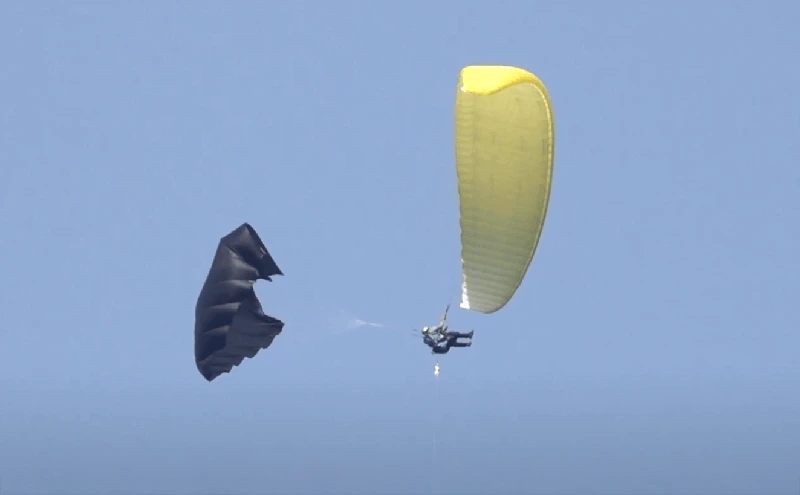
APCO is one of the few defense textile manufacturers with real experience in human-rated systems. The Mayday reserve parachutes meet EN 12491 and LTF standards, and the same strict protocols are applied to military-grade systems:
- Recovery systems engineered to man-rated standards.
- Support for third-party testing and certification.
Trusted by defense leaders around the world
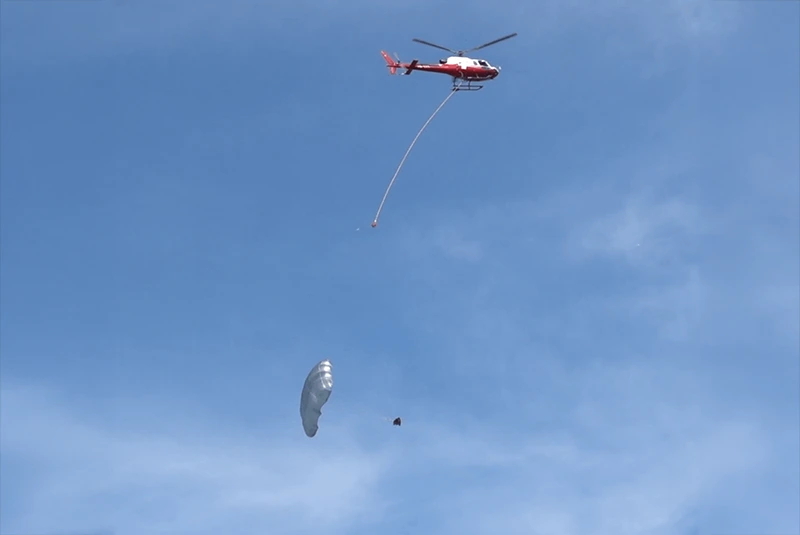
From UAV recovery systems deployed by the IDF to specialised parachutes used in joint NATO exercises, the products have a proven record in real-world operations. In one recent project, high-precision cargo parachutes were supplied to a European defense contractor, meeting aggressive delivery deadlines while passing all MIL-SPEC drop tests on the first attempt.
The systems meet and exceed the requirements of major defense organizations, including IAI, Elbit Systems, Rafael and Uvision.
Inspections and records the systems are built to pass
The systems are built to pass:
- Military QA inspections.
- NATO and MIL-DTL spec evaluations.
- FAI – First Article Inspection.
- COC, COA, COT – Certificates of Conformity, Authenticity and Testing.
- ATP, ATR – Acceptance Test Protocols and Reports.
- ESD compliance records.
- Environmental Testing Reports.
- MIL-DTL specifications.
- MRB Reports – Material Review Board findings.
- SOW – Statement of Work.
More than a parachute system
Customers are not just getting a parachute system – they are getting a fully certified, aerospace-grade solution engineered for mission-critical performance and backed by decades of proven excellence.
- Standards
- ISO / ASEN standardsNIST 800-171
- Applies to
- Human-rated certification
Technical data per manufacturer documentation from APCO Aviation Ltd , as of 2026-09-22.